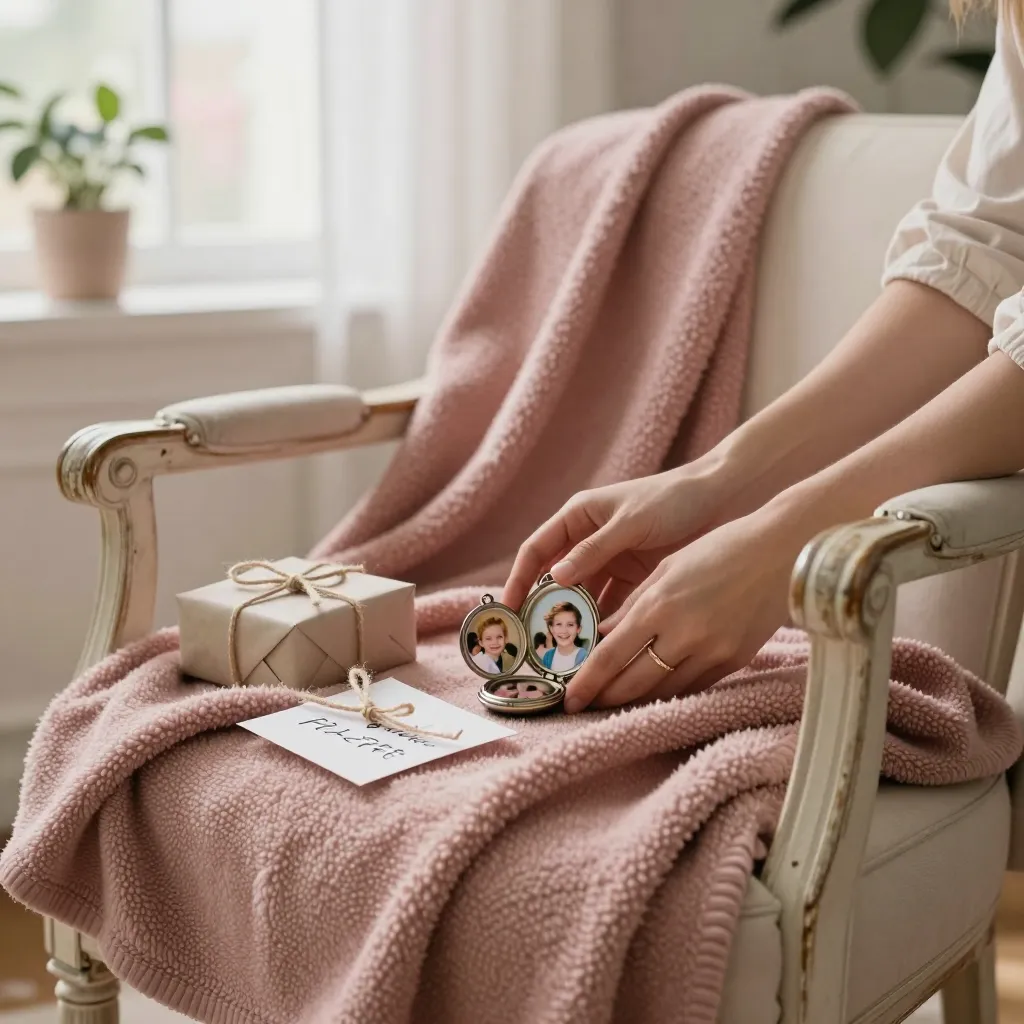
15 Gift Ideas to Honor Your Adopted Child's Birth Parents
Looking for meaningful ways to show appreciation to your adopted child's birth parents? This list of 15 gift ideas helps adoptive families in open adoption express gratitude, honor birth families, and strengthen connections. Great for parents wanting to celebrate and respect those behind adoption.
Thoughtful Ways to Honor Your Child's Birth Family
Open adoption creates a unique and beautiful dynamic where a child's biological and adoptive families remain connected. For mothers navigating this relationship, finding meaningful ways to acknowledge and celebrate the birth family can feel both important and delicate. Whether you're marking a special occasion or simply expressing gratitude, choosing a gift that honors this bond requires sensitivity, thoughtfulness, and an understanding of the emotional landscape involved.
Understanding the Emotional Landscape
Before selecting a gift, it's essential to recognize the complex emotions that often accompany open adoption. Birth parents may experience grief, love, relief, and longing simultaneously. Research consistently shows that ongoing contact and acknowledgment benefit everyone in the adoption triad—birth parents, adoptive parents, and most importantly, the child.
When birth parents maintain connection with their child, they often report lower levels of unresolved grief. For the child, having access to their biological heritage supports identity formation and emotional security. As an adoptive mother, your willingness to nurture this relationship models generosity and security for your child.
The key is approaching gift-giving not as obligation, but as a genuine extension of the relationship you're building together.
What to Consider Before Choosing a Gift
The Nature of Your Relationship
Every open adoption looks different. Some families become extended relatives, attending birthdays and holidays together. Others maintain respectful distance with periodic updates and photos. The depth of your connection should guide your choice.
A gift for a birth mother you text weekly will differ significantly from one for parents you exchange letters with quarterly. Neither relationship is "better"—but matching the gift to the established rhythm prevents awkwardness or unintentional pressure.
The Message Behind the Gesture
Gifts in this context carry symbolic weight. They communicate appreciation, respect, and recognition of the profound decision the birth family made. The most meaningful presents often aren't the most expensive—they're the ones that say "we see you" and "your child is thriving because of your love."
Consider what you want this particular gift to express: gratitude for the gift of parenthood? Comfort during a difficult anniversary? Celebration of a milestone? Clarity about your intention helps narrow options meaningfully.
Involving Your Child
As children grow, they can participate in selecting or creating gifts for their birth family. A toddler's handprint, a child's drawing, or a teenager's written letter often carries more emotional significance than any purchased item. This involvement also reinforces for your child that their adoption story is open, positive, and theirs to own.
For younger children, you might create something on their behalf. For older kids, ask their input and respect their comfort level—some may feel enthusiastic, others conflicted, and both responses are valid.
Meaningful Gift Ideas for Birth Families
Memory-Keeping Gifts
Handprint and Footprint Keepsakes Capturing your child's tiny prints creates a tangible connection across distance. Frame kits that include space for photos alongside prints allow birth parents to see growth while holding something physical. These work beautifully for infants and young toddlers, though older children can participate in creating handprint art projects that feel age-appropriate.
Custom Photo Books or Albums Curating photos into a dedicated album shows birth parents moments they might otherwise miss—first steps, birthday celebrations, everyday sweetness. Self-adhesive albums allow flexibility in arranging photos with room for handwritten notes about each memory. This becomes a growing record of the life they made possible.
Personalized Photo Displays Metal prints or custom photo items offer modern alternatives to traditional frames. A photo printed on metal with a meaningful date or brief message creates a durable keepsake that stands out from standard snapshots. These work well for birth parents who may prefer something less overtly "babyish" in their living space.
Gifts That Comfort and Support
Soft, Meaningful Textiles A quality blanket with a gentle message offers physical comfort during emotional moments. Weighted or particularly soft blankets can provide sensory grounding during difficult days like placement anniversaries or Mother's Day. Choose neutral, adult-appropriate designs rather than infant-focused patterns.
Self-Care Collections The post-placement period and ongoing journey can be emotionally exhausting. Curated self-care items—quality skincare, bath products, journals, or relaxation tools—acknowledge that the birth parent deserves nurturing too. These gifts say "your well-being matters" without being overly intimate.
Journals for Processing Grief and healing aren't linear. A guided journal with prompts for reflection can support birth parents in working through complex emotions at their own pace. Look for options created by mental health professionals that address loss, identity, and moving forward without minimizing the experience.
Gifts That Celebrate Connection
Books About Open Adoption Children's books that normalize open adoption can become shared reading experiences during visits. These stories help young children understand their story using age-appropriate language, and reading them together with birth parents reinforces that this narrative belongs to everyone. Choose books that reflect your specific type of open adoption (infant placement versus older child, for example).
Personalized Story Books Customizable books that include your child's name alongside family members create inclusive narratives. These can thoughtfully include birth family members as part of the "who loves me" story, reinforcing for your child that love comes from many directions.
Symbolic Jewelry Matching or complementary pieces can represent the ongoing bond between birth and adoptive families. Designs featuring interconnected elements—completing shapes, complementary pendants, or pieces that carry shared meaning—work beautifully. Consider birth parent gender and style preferences; not all birth mothers want traditionally feminine jewelry, and birth fathers are equally deserving of acknowledgment.
Practical Yet Personal Items
Custom Drinkware A personalized tumbler or mug with a photo or meaningful text combines utility with sentiment. For birth parents who carry busy lives, having a daily-use item that connects them to their child integrates that relationship into ordinary moments.
Quality Stationery Beautiful blank cards with envelopes encourage ongoing written connection. Birth parents may appreciate having attractive materials for writing letters or notes to their child, or simply for their own correspondence. This gift subtly encourages continued communication without demanding it.
Gifts to Approach With Caution
Some well-intentioned presents can inadvertently cause pain. Consider carefully before giving:
Parent-child specific items for the birth parent to use with the child. A "mommy and me" outfit set or matching items can blur boundaries and create confusion about roles, especially for young children still understanding their adoption story.
Highly expensive gifts. Extravagance can create discomfort or implied obligation. It may also trigger guilt or complicated feelings about the financial aspects of adoption.
Items that assume specific emotions. Books about "always being grateful" or framed quotes about "giving the ultimate gift" can feel prescriptive about how birth parents should feel. Their grief is valid alongside their love.
Religious or spiritual items unless you know their beliefs. Assumptions about faith can feel intrusive.
The Most Valuable Gift: Your Time and Openness
While tangible gifts mark occasions beautifully, the greatest present you can offer is sustained, genuine relationship. This means:
Consistent communication. Following through on promised updates, photos, and visits builds trust over years.
Flexibility as circumstances change. Life brings moves, new siblings, job changes, and evolving emotions. Adapting contact agreements as needed shows respect for everyone's growth.
Honoring difficult days. Acknowledging placement anniversaries, Mother's Day, Father's Day, or birthdays with sensitivity—sometimes with a gift, sometimes simply with a thoughtful message—demonstrates that you remember their experience matters.
Supporting your child's questions. As children grow, they may have complex feelings about their birth family. Creating space for these conversations without defensiveness protects everyone's wellbeing.
Creating New Traditions
Many adoptive families develop rituals that incorporate birth family honor:
- Annual photo updates with a handwritten note about the year's milestones
- Shared celebrations when possible, like birthday dinners or holiday gatherings
- Memory boxes where your child can save items to eventually share with birth family
- Planting a tree or garden together that grows alongside your child
These ongoing practices often mean more than single gifts because they demonstrate that the relationship has permanence and priority in your family's life.
When Distance or Circumstances Limit Contact
Not all open adoptions allow for ongoing relationship. Some birth parents prefer limited contact; others become unreachable over time. In these situations:
- Keep records and photos in case future connection becomes possible
- Honor your child's birth family in age-appropriate conversations regardless of contact level
- Consider symbolic gestures like lighting a candle on difficult days if direct gift-giving isn't appropriate
- Respect boundaries while keeping doors open
Final Thoughts
Gift-giving in open adoption sits at the intersection of gratitude, grief, love, and boundary-setting. The most successful presents are those chosen with genuine care for the birth parent's experience rather than performative generosity.
Start with your specific relationship, your child's needs and age, and the message you want to convey. When in doubt, simplicity often wins—a heartfelt letter, a recent photo, a small item that reflects something you know about their personality.
Remember that your child is always watching how you treat their birth family. The respect, warmth, and boundaries you model become their template for understanding their own story. In honoring the people who gave them life, you reinforce that their origins are not shameful secrets but important parts of who they are becoming.
The journey of open adoption isn't always smooth, but approaching it with intention creates a foundation where your child can feel wholly loved by all sides of their family tree.