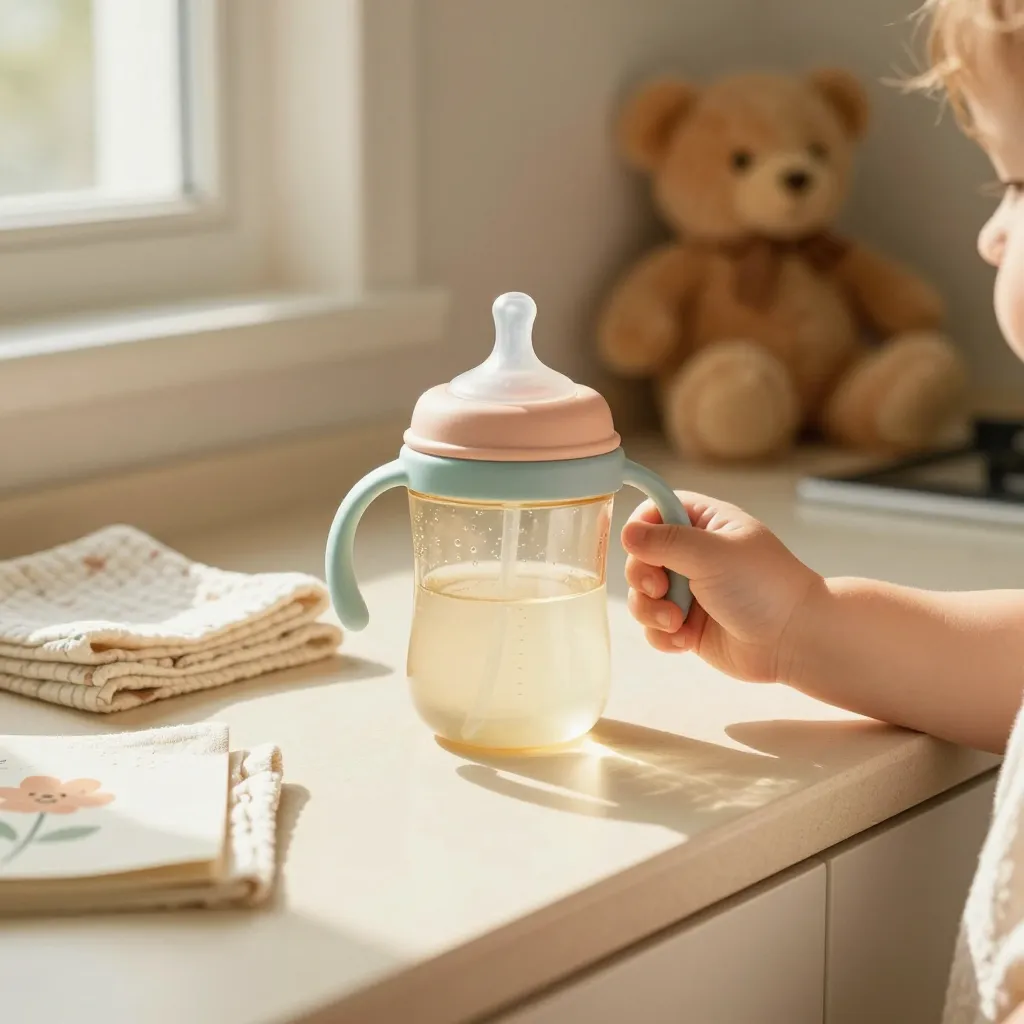
8 Proven Sippy Cups That Make Bottle-to-Cup Transition Easy for Toddlers
The transition from bottle to cup is a key developmental milestone. This guide reviews eight carefully selected sippy cups that balance spill‑resistance, safe materials, and toddler‑friendly designs, helping parents ease the shift while fostering independence and oral motor skills.
Navigating the Bottle-to-Cup Transition: A Guide for Toddlers
The shift from bottle to cup represents a meaningful milestone in your toddler's growing independence. While this change can feel daunting for both parent and child, understanding the process and having the right tools can transform it into a smooth, confidence-building experience.
When to Begin the Transition
Pediatric experts suggest introducing a training cup around six months of age, coinciding with the introduction of solid foods. This timing aligns with natural developmental shifts as your baby's feeding patterns evolve. Most children master cup drinking between 12 and 18 months, with the goal of transitioning to an open cup by their second birthday.
Watch for readiness signs: your child shows interest in your cup, can sit upright unassisted, and begins exploring objects with their hands. Starting early allows for gradual practice rather than an abrupt change, reducing frustration for everyone involved.
Why the Transition Matters
Moving beyond the bottle supports important developmental milestones. Prolonged bottle use beyond recommended ages can interfere with solid food intake, potentially affecting nutrition and increasing risks for dental cavities or excessive weight gain. Cup drinking also promotes oral motor skill development, strengthening muscles essential for speech and advanced eating skills.
Choosing the Right Training Cup
Look for cups designed specifically for transitioning toddlers. Key features that support success include:
Handles or grippy surfaces: Small hands benefit from easy-to-hold designs that encourage independence. Textured sides or contoured shapes help toddlers maintain control without frustration.
Spill-resistant mechanisms: While no cup is entirely spill-proof, valves or seals that activate only during sipping minimize messes during the learning process. This feature reduces cleanup stress and allows practice in various settings.
Appropriate sizing: Cups holding 4-7 ounces match toddler-sized portions and prevent overwhelming little ones with too much liquid weight.
Safe materials: Opt for BPA-free, phthalate-free options that are dishwasher-safe for easy cleaning. Some parents prefer stainless steel for durability and temperature retention, while others choose lightweight plastics for portability.
Developmentally appropriate flow: Consider cups with adjustable flow or valves that require moderate sucking strength—similar to breastfeeding or bottle-feeding—to build skills gradually.
What to Put in the Cup
Begin with familiar liquids: breast milk, formula, or small amounts of water. Introduce water gradually, offering just a few ounces with meals once your pediatrician approves. Avoid sugary juices or sodas, which provide empty calories and increase tooth decay risk without nutritional benefit.
Think of the training cup as you would your own drinking vessel—offer it during meals and snacks when thirst arises, rather than carrying it constantly. This approach helps your child associate cup drinking with nourishment and hydration patterns rather than comfort-seeking behavior.
Supporting the Transition Process
Patience transforms potential struggles into learning opportunities. Allow your toddler to explore the cup empty first—letting them touch, tilt, and become familiar with its weight and feel. Demonstrate drinking from it yourself, showing how to tilt it gently to access the liquid.
If resistance occurs, try different times of day or pair cup use with enjoyable activities like reading or outdoor play. Some children prefer certain temperatures or flows; observe what your child responds to positively and build from there.
Celebrate small victories: a successful sip, holding the cup with both hands, or setting it down without throwing. These moments build confidence more effectively than focusing on spills or refusals.
Moving Toward Open Cups
Around age two, many toddlers develop the coordination needed for open cups. Look for small, lightweight options with wide bases for stability. Practice alongside meals where spills are less consequential, and consider using thickened liquids like smoothies initially to reduce flow speed.
Remember that mastering cup drinking is a skill that develops over time, much like using utensils or climbing stairs. Your calm, consistent support provides the secure foundation your child needs to embrace this new ability with confidence.
The bottle-to-cup journey varies for every family. By focusing on your child's individual cues and maintaining a nurturing approach, you'll guide them toward this important milestone while strengthening your trusting relationship along the way.