Best Markers for Toddler Development: A Guide to Safe, Skill-Building Art
Help your child reach developmental milestones through art. This guide covers the best non-toxic, washable markers for toddlers, from chunky dot daubers to jumbo grips, designed to improve hand-eye coordination and fine motor skills for little creators ages 1-3.
Choosing and Using Markers for Toddler Development
Introducing markers to a toddler opens a doorway to creativity, fine motor skill development, and early learning concepts. The simple act of making a mark on paper engages hand-eye coordination, color recognition, and self-expression. Selecting the right tools and approach can turn coloring time into a joyful, enriching experience that supports your child’s growth while keeping cleanup manageable.
Why Markers Support Early Development
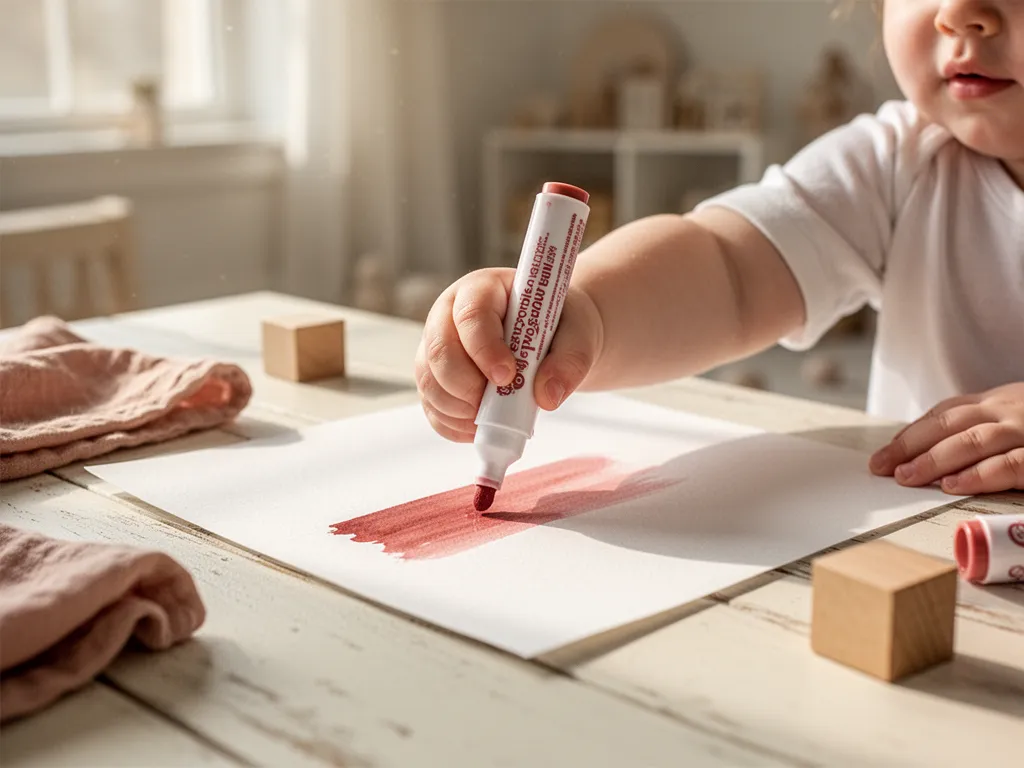
Between the ages of one and three, toddlers refine their grasp and control. Chunky markers encourage a whole-hand palmar grasp, which is typical for younger toddlers. As they approach preschool age, slimmer tips promote the development of a tripod grasp, laying the groundwork for writing skills. Coloring also introduces cause-and-effect relationships—pressing harder creates a bolder line, moving the marker in different directions makes various shapes. Verbally describing what they are doing (“You made a big red circle!”) builds language skills and reinforces their efforts.
Prioritizing Safety and Washability
Safety is the foremost consideration when choosing any art supply for toddlers. Look for markers labeled non-toxic, which means they meet safety standards for incidental ingestion or skin contact. Since exploration often involves hands, surfaces, and occasionally mouths, washable ink is essential. Water-based formulas typically lift from skin, clothing, and many surfaces with soap and water, reducing stress about accidental marks on walls or furniture. Always check the packaging for clear age recommendations and safety certifications.
Matching Marker Types to Developmental Stages
Different marker designs suit varying abilities and interests:
- Dot Markers (Dauber Style): These feature a sponge tip that creates solid dots with a simple press. They require minimal fine motor control, making them ideal for toddlers just beginning to explore marking (around 12-18 months). The large, easy-to-grip barrel supports a palmar grasp, and the immediate, satisfying dot encourages repetition and color experimentation. Many come with activity sheets focused on dotting, which can guide early patterning skills.
- Broad Line Markers: With a wider tip, these markers lay down color quickly, covering larger areas with less effort. This can be satisfying for toddlers who enjoy filling in big shapes or creating bold strokes. The broader tip is often easier to control than a fine point for children still developing precision.
- Fine Line Markers: As toddlers gain better finger control (often around 2.5-3 years), introducing markers with finer tips allows them to attempt more detailed drawing, such as tracing simple shapes, making lines, or attempting to represent objects. This challenges their dexterity and prepares them for writing tasks.
- Jumbo Grip Markers: Designed with a thicker, often triangular or contoured barrel, these markers naturally guide fingers into a more mature grasp. They bridge the gap between the initial palmar hold and the tripod grasp, offering comfort and control for toddlers who find standard markers too slim but are ready to refine their grip.
Creating an Inviting Art Space
A dedicated, accessible area encourages independent exploration. Cover a small table or section of the floor with a washable mat, plastic tablecloth, or large sheet of craft paper. Provide paper that is sturdy enough to withstand marker pressure without tearing—thicker construction paper or specific marker paper works well. Keep a small stack of paper and a few markers within easy reach on a low shelf or in a basket. Ensure the space is well-lit and free from distractions. Having damp cloths or wipes nearby allows for quick cleanup of hands or surfaces, reinforcing the idea that art is fun but tidying up is part of the process.
Fostering Enjoyment and Skill Building
Your attitude shapes your toddler’s experience. Sit alongside them, engaging in your own coloring or simply commenting on their process (“I see you’re using the blue marker to make long lines!”). Focus on effort and exploration rather than the final product. Ask open-ended questions about their choices (“What does this purple part represent?”) to stimulate storytelling and cognitive connections. Displaying their artwork proudly on the fridge or a low bulletin board validates their effort and encourages continued participation. Remember that the goal is enjoyment and development, not creating a perfect picture.
Managing Mess with Calm Accidents Happen
Despite washable formulas, markers can occasionally leave faint traces, especially on porous surfaces or if left for extended periods. Address marks promptly with a damp cloth and mild soap. For stubborn spots on non-porous surfaces like tables or plastic toys, a bit of rubbing alcohol (tested first in an inconspicuous area) can often help, but always supervise use and keep such cleaning agents out of reach. Accept that some mess is part of the learning journey; reacting calmly teaches your child that mistakes are manageable and part of trying new things.
Conclusion
Selecting markers for your toddler involves balancing safety, washability, and developmental appropriateness. By offering tools that match their growing abilities—starting with easy-to-use dot markers and gradually introducing finer tips or specialized grips—you support their journey from grasping to precise control. Pairing the right supplies with a welcoming space, engaged participation, and a focus on the joy of creation transforms a simple coloring session into a meaningful step in your child’s artistic and developmental adventure. Each squiggle, line, and dot is a testament to their growing skills and imagination.