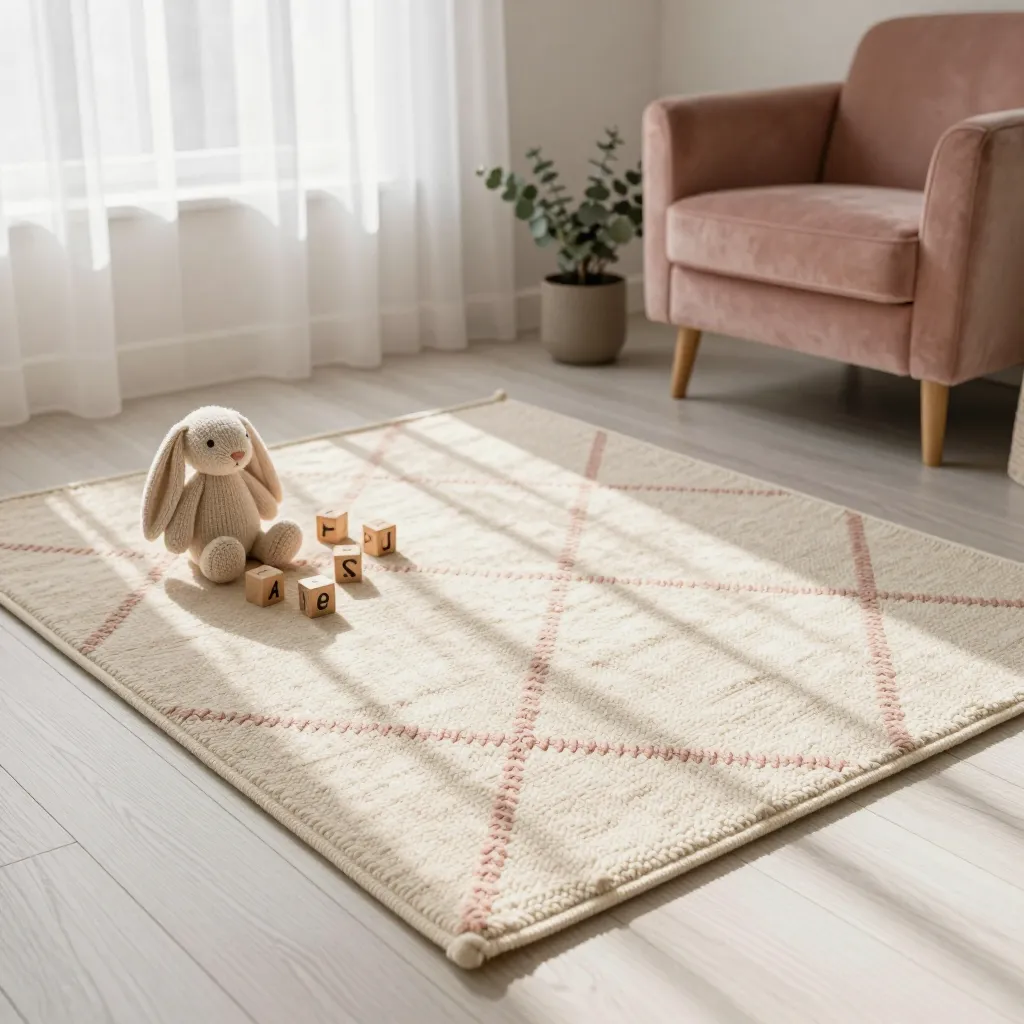
12 Best Cute and Practical Nursery Rugs for Learning and Play
From alphabet designs to plush memory foam, learn how to choose a nursery rug that balances safety, style, and sensory development. This guide covers essential materials and educational patterns perfect for your baby's first play space.
The Complete Guide to Choosing the Perfect Nursery Rug
Designing your baby's nursery is one of the most joyful parts of preparing for your little one's arrival. While there are countless decisions to make—from paint colors to crib styles—the nursery rug often becomes the foundation that ties the entire room together. More than just a decorative element, the right rug creates a soft, safe haven where your baby will spend countless hours playing, learning, and growing.
Why the Right Nursery Rug Matters
A well-chosen nursery rug serves multiple essential purposes in your baby's environment. It provides cushioning for tender knees during crawling phases, creates a warm barrier between your child and cold hard floors, and helps absorb sound in what might otherwise be an echoing space. For growing babies, the floor becomes their first playground—a place where they'll practice tummy time, take their first wobbly steps, and engage in sensory exploration.
The tactile experience of different textures beneath their hands and feet contributes to your baby's sensory development. Soft, plush surfaces encourage longer periods of floor play, which is crucial for building core strength and motor skills. Additionally, a thoughtfully selected rug can anchor the room's design, creating defined zones for sleeping, playing, and changing.
Key Considerations for Nursery Rugs
Material Selection
The material of your nursery rug impacts everything from comfort to cleanliness. Natural fibers like cotton and wool offer excellent softness and breathability. Cotton rugs are particularly popular for nurseries because they're typically machine-washable—a significant advantage when dealing with spit-up, diaper leaks, and the inevitable spills of early childhood. Wool provides natural stain resistance and durability, though it often requires professional cleaning.
Memory foam rugs have gained popularity for their exceptional cushioning properties. These provide excellent protection for babies learning to sit, crawl, and walk, offering a padded surface that minimizes the impact of tumbles. However, ensure any foam product is certified free from harmful chemicals like formaldehyde or flame retardants.
Microfiber and synthetic blends offer budget-friendly alternatives that are often stain-resistant and easy to clean. When choosing synthetic materials, look for options specifically labeled as non-toxic and free from volatile organic compounds (VOCs) that could affect indoor air quality.
Texture and Pile Height
For nursery applications, texture deserves careful consideration. Ultra-plush, shag-style rugs feel luxurious underfoot and provide excellent cushioning, but they can be challenging to clean thoroughly. Low-pile or flat-weave rugs offer easier maintenance while still providing a softer surface than bare flooring.
Consider your baby's developmental stage. For newborns who aren't yet mobile, a thicker, plusher rug creates a cozy environment for supervised floor time. As babies begin crawling and walking, a lower pile height may be more practical for easier movement and cleaning.
Size and Shape
Rug dimensions should complement your nursery layout while providing adequate coverage for play areas. A common approach is selecting a rug large enough to extend beyond the crib and changing area, creating a unified floor space. Standard sizes like 4'x6' or 5'x7' work well in most nurseries, though larger rooms may benefit from 8'x10' options.
Beyond traditional rectangles, consider how different shapes might enhance your space. Round rugs can soften the angular lines of furniture and create intimate reading or play nooks. Hexagonal rugs offer modern geometric appeal while fitting neatly into corners. The shape you choose can subtly influence how the room feels and functions.
Safety Features
Safety considerations extend beyond material composition. Non-slip backing is essential to prevent the rug from shifting as your baby crawls, pulls to stand, or takes early steps. Many nursery rugs come with built-in non-slip surfaces, but rug pads can provide additional security on hard flooring.
Ensure edges lie flat against the floor to prevent tripping hazards. Some rugs feature bound edges that resist curling, while others may need time to settle completely flat after unrolling. Regularly check that corners remain secure, particularly as your baby becomes more mobile.
Design Elements That Enhance Learning
Modern nursery rugs offer far more than solid colors and simple patterns. Many incorporate educational elements that support early childhood development while maintaining aesthetic appeal.
Alphabet and Number Designs
Rugs featuring letters and numbers transform your floor into an interactive learning surface. Even before babies understand these symbols, exposure to letters and numerals builds familiarity. As toddlers, children can practice identifying characters during play. Look for designs that present these elements clearly without overwhelming visual clutter.
Nature and Animal Themes
Animal motifs remain perennial favorites for nursery décor, and for good reason. These designs introduce young children to the natural world, support vocabulary development as you name different creatures, and often feature engaging colors and patterns. Woodland themes with foxes, deer, and bears create gender-neutral spaces, while specific animal families can complement various design aesthetics.
Road and City Maps
For slightly older babies and toddlers, rugs featuring road systems or simplified city layouts encourage imaginative play. These designs grow with your child, transitioning from decorative floor coverings to settings for toy car adventures and storytelling. The defined paths and landmarks support spatial reasoning and cognitive mapping skills.
Sensory and Tactile Features
Some nursery rugs incorporate varied textures, raised patterns, or interactive elements like attached mirrors or crinkly fabrics. These multi-sensory designs encourage exploration and can extend tummy time engagement. When selecting tactile rugs, ensure all attached elements are securely fastened and appropriate for your child's developmental stage.
Maintenance and Longevity
Practical considerations ensure your nursery rug remains beautiful and functional throughout the early years. Establish a regular cleaning routine that includes frequent vacuuming to remove dust and allergens. Address spills immediately with appropriate cleaning methods for your rug's material.
Machine-washable options offer significant convenience, though large rugs may require commercial-sized machines. For non-washable rugs, professional cleaning every 12-18 months helps maintain appearance and hygiene. Always follow manufacturer care instructions to preserve warranty coverage and material integrity.
Consider how the rug will age with your child. While baby-specific themes might feel perfect for the nursery, more versatile designs can transition into toddler rooms and play spaces. Neutral bases with colorful accents often provide the longest usable lifespan.
Creating Cohesive Nursery Design
Your rug selection influences other design choices throughout the space. Consider pulling accent colors from the rug into bedding, wall art, and accessories for a coordinated look. Alternatively, select a neutral rug that allows for bolder choices in easily changed elements like throw pillows and wall décor.
The rug's visual weight should balance other room elements. A busy patterned rug pairs well with solid-colored furniture, while a solid rug allows patterned textiles to take center stage. Consider the overall mood you want to create—soft pastels promote calm, while brighter colors stimulate alertness and engagement.
Seasonal Considerations
Rug needs may shift with changing seasons and your child's development. In colder months, thicker, warmer rugs provide welcome insulation against chilly floors. During warmer periods, lighter materials prevent overheating. Some parents keep two rugs—a lighter summer option and a plush winter alternative—to rotate seasonally.
As your baby grows into an active toddler, durability becomes increasingly important. The rug that served perfectly for a stationary infant may show wear quickly under the enthusiastic play of a two-year-old. Planning for this transition helps you select options that accommodate multiple developmental stages.
Final Thoughts
Choosing a nursery rug represents an opportunity to create a foundation for your baby's earliest environmental experiences. The right selection balances aesthetic preferences with practical needs, safety requirements with sensory benefits, and immediate newborn needs with future toddler activities.
Trust your instincts about what feels right for your family and space. Whether you prefer minimalist neutrals or vibrant educational designs, the perfect nursery rug awaits—ready to cushion first crawls, support first steps, and provide the backdrop for countless precious memories in the making.