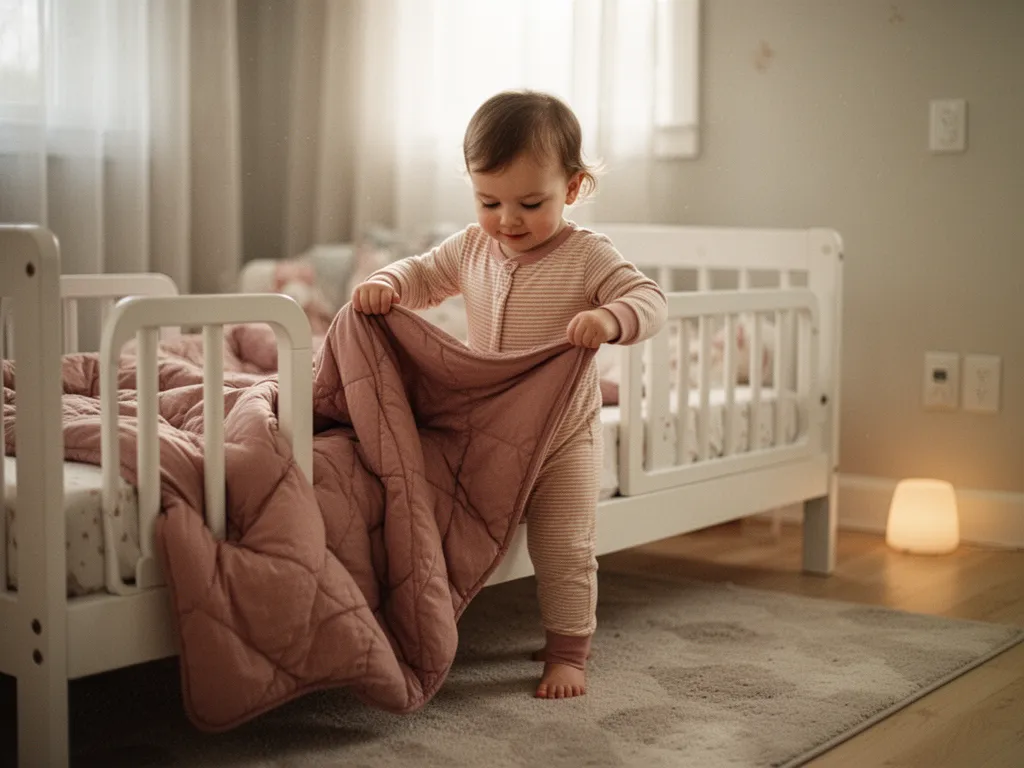
Best Toddler Beds: A Safety and Readiness Guide for the Big-Kid Transition
Learn when your child is developmentally ready for a toddler bed and how to select a safe, certified model. This guide covers essential safety standards, room-proofing checklists, and transition strategies to help your little one embrace their new independence while staying safe all night.
Choosing the Right Toddler Bed: Safety, Timing, and Smart Shopping Tips
Making the leap from crib to "big-kid" bed is one of the first rites of passage in early childhood. Done thoughtfully, the move supports both safety and growing independence. Below you'll find evidence-aligned guidance on when to transition, what features matter most, and how to prepare your child (and the nursery) for a smooth change-over.
1. When is a child truly ready?
Age alone is not the green light. Most children shift sometime between 18 months and 3 years, but the clearest readiness cues are developmental:
- Climbing out of the crib – Fall risk rises quickly; transfer soon after the first Houdini-style escape.
- Height of 35–37 in (≈ 89–94 cm) – When the rail is chest-level, leverage is easier and climbs are more likely.
- Following simple safety instructions – Can your toddler understand "feet first" when getting off furniture?
- Emotional readiness – If naps are fought and bedtime is filled with protests, the crib may feel restrictive; a low-to-the-ground toddler bed can restore a sense of control.
If none of these signs are present, leaving a content younger toddler in a crib is perfectly fine.
2. Safety first: Core standards you can check in-store
Mattress fit: Less than two fingers of space between mattress edge and frame prevents arm or neck entrapment.
- Spindle/rail spacing: 2⅜ in (6 cm) or narrower – the same rule as full-size cribs.
- Corner-post height: Under 1⅛ in (≈ 3 cm) so clothing cannot snag.
- Lead, phthalate, and formaldehyde limits: Look for JPMA, Greenguard Gold, or OEKO-TEX certification labels.
- Profile height: A mattress top that sits 10–12 in (25–30 cm) off the floor keeps falls short and tumbles gentle.
- Fixed side rails: At least half the length of the bed; removeable rails should click firmly into brackets that a toddler cannot dislodge.
3. Toddler bed vs. twin on the floor
Toddler-specific frames are smaller (≈ 28 × 53 in) and use the same crib mattress—helpful for tight rooms and tight budgets. Guardrails are built in, so there's no extra purchase. A twin mattress placed directly on the floor with a surrounding swim-pool noodle or low guard is an acceptable minimalist alternative, but it needs a snug-fitting twin sheet and a baby-proofed room because falls may still happen.
4. Room make-over checklist
Once the bed is chosen, shift focus to the environment:
- Anchor tall dressers and bookcases to wall studs.
- Install window locks; keep blind cords tied up high.
- Add a baby gate at the doorway or top of stairs if your layout requires.
- Cover outlets; use cord shorteners for monitor or night-light cables.
- Choose a dim, warm night-light (under 2,000 K) to preserve melatonin and reduce stumbling in the dark.
- Store toys in low, open bins so there's no incentive to climb furniture during unsupervised early-morning play.
5. Making the mental switch fun, not frightening
- Talk early: "Soon you'll have a bed you can climb into all by yourself!"
- Offer limited choices—"Blue sheets or star sheets?"—to create buy-in without overwhelm.
- Keep the bedtime routine identical: bath, pajamas, books, lullaby, lights-out. Predictability equals comfort.
- Use the same sleep sack or lovey from the crib era; familiar scents and textures smooth the change.
- Praise morning success: "You stayed in bed until the sun clock turned yellow—high five!"
Expect some midnight wandering for the first week or two. Calmly walk your child back, remind them "bedtime means we stay in bed," and leave. Consistency short-lived the novelty.
6. Shopping cheat-sheet
- Measure the nursery before you click "add to cart." Allow at least 2 ft (60 cm) clearance on three sides for sheet changes and bedtime story seating.
- Slatted bases beat wire-spring systems for airflow and mold prevention.
- Look for rounded edges; sharp corners at forehead height are an avoidable ER trip.
- Finish should be smooth, not waxy or tacky—rough spots indicate uneven paint that can flake off with time.
- Keep weight limits in mind: most toddler frames max out at 50 lb (≈ 23 kg), roughly age 5–6 for average-size kids.
- Spare parts availability matters; choose manufacturers that list replacement hardware on their website.
7. Common worries, quick answers
"What if she keeps rolling out?"
Start with the mattress directly on the floor or add a plush bedside rug. Most children learn spatial awareness within two weeks.
"He refuses to nap now."
Maintain a quiet hour even if sleep doesn't happen; darken the room and offer books in bed. Nap resistance often passes once the new-bed excitement fades.
"I'm expecting baby #2; do I need two beds?"
If the eldest is under 2½, consider borrowing or buying a second crib to avoid double transitions; if the older child shows readiness signs, move them out two months before the newborn arrives so they don't feel "displaced."
Key takeaways
- Transition when safety (climbing) or size (height) demands it—not the calendar.
- Prioritize a snug mattress, low profile, built-in rails, and third-party safety certification.
- Childproof the entire room; a toddler bed grants nighttime freedom.
- Preserve routines, offer choices, and respond with calm consistency to bedtime roaming.
With a secure frame, a familiar blanket, and plenty of encouragement, your newly minted "big kid" will soon settle into pride-filled, peaceful nights—while you enjoy the peace of mind that everyone is resting safely.