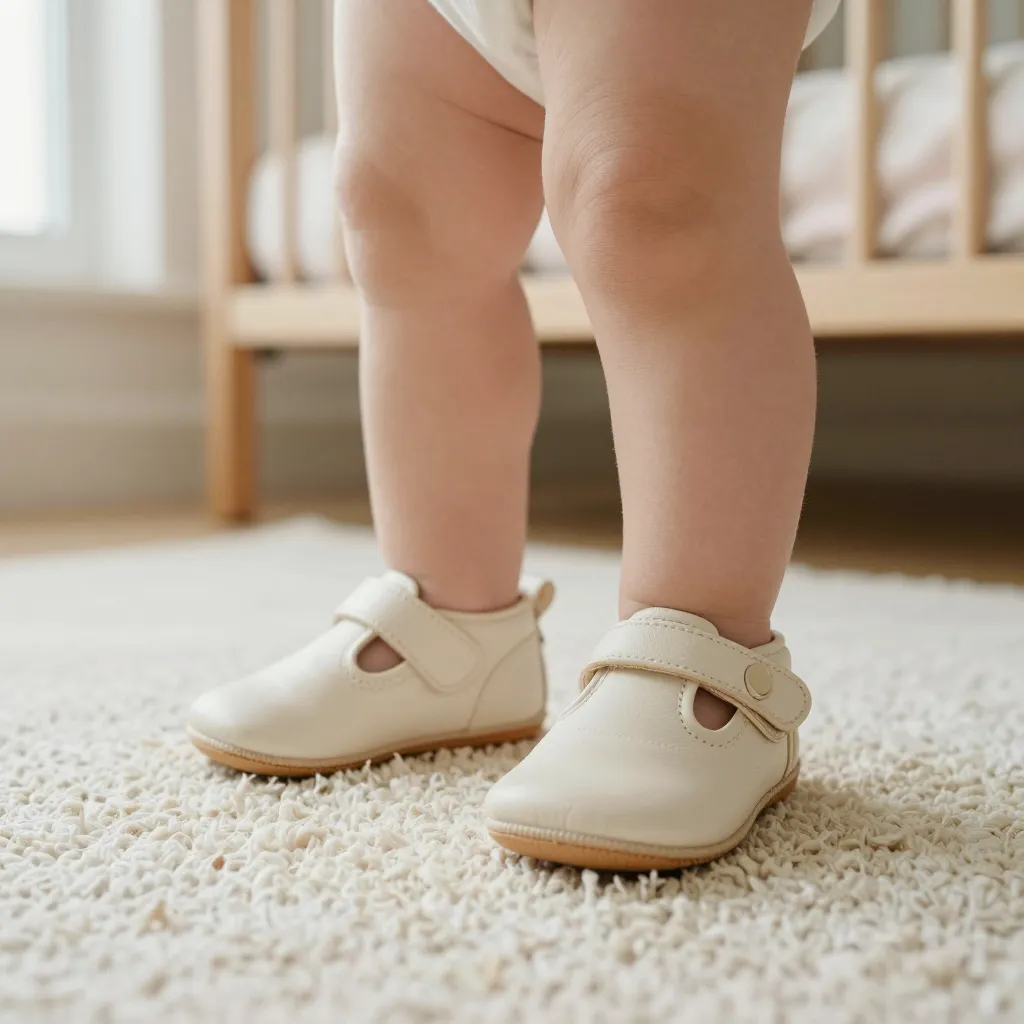
How to Choose the Best First Walking Shoes for Your Baby's Development
From proper foot alignment to the benefits of walking barefoot, this guide helps parents choose the right footwear for new walkers. Learn the essential features like non-skid soles and flexibility to ensure your child's safety and comfort during their first milestones.
Choosing Your Baby’s First Walking Shoes: A Guide for New Parents
Watching your little one transition from crawling to those first wobbly steps is a momentous milestone in your parenting journey. [cite_start]Most babies begin to find their footing between 9 and 12 months, though it is perfectly normal for some to take a bit longer[cite: 7]. [cite_start]As they start pulling themselves up on furniture and navigating the living room, you may wonder when it’s time to trade in those cute socks for a real pair of shoes[cite: 8].
When Should a Baby Start Wearing Shoes?
It is a common misconception that babies need shoes as soon as they start pulling to a stand. [cite_start]In reality, foot experts and pediatricians generally agree that babies do not need shoes until they are walking independently on two feet[cite: 4, 44].
Allowing your child to explore their environment barefoot as much as possible is highly beneficial. Being barefoot helps promote:
- [cite_start]Proper foot alignment[cite: 27].
- [cite_start]Strengthening of the foot muscles[cite: 44].
- [cite_start]Better balance and sensory feedback from the ground[cite: 27].
[cite_start]Until your child is walking regularly or heading outside for playtime, simple socks or soft booties are sufficient to keep their feet warm without being restrictive[cite: 46].
Soft-Soled vs. Hard-Sole Shoes
When your baby is ready for their first "official" pair, the type of sole matters. [cite_start]For new walkers, soft-soled shoes are generally preferable over hard-soled versions[cite: 2, 26].
| Feature | Why It Matters for New Walkers |
|---|---|
| Traction | [cite_start]Soft soles provide better grip, helping babies maintain their footing on smooth indoor surfaces[cite: 26]. |
| Flexibility | [cite_start]They allow the foot to move naturally, mimicking the benefits of walking barefoot while offering protection[cite: 27]. |
| Weight | [cite_start]Soft shoes are typically lightweight, ensuring the baby isn't weighed down by heavy, stiff materials[cite: 66]. |
Key Features to Look For
Choosing a supportive shoe is about more than just a cute design. To ensure healthy foot development, look for these specific features:
- [cite_start]The Right Fit: Shoes should be snug enough to stay on but loose enough to allow the toes to wiggle freely[cite: 61, 62]. [cite_start]Since babies grow rapidly, check the fit once a month to ensure the shoes haven't become too tight, which can hinder development[cite: 46].
- [cite_start]Non-Skid Soles: Especially if you have hardwood or vinyl flooring, look for soles with enough traction to prevent slips and falls[cite: 63].
- Lightweight Materials: Avoid heavy, clunky shoes. [cite_start]Lightweight footwear allows for a more natural gait[cite: 66].
- [cite_start]Supportive Padding: Look for shoes with cushioned insoles and padding around the ankle to keep your little explorer comfortable[cite: 64].
- [cite_start]Easy Fasteners: Velcro or seamless slip-on styles make it much easier for parents to manage wiggly feet[cite: 65].
By focusing on flexibility and fit, you can provide your baby with the best foundation as they step out into the world.