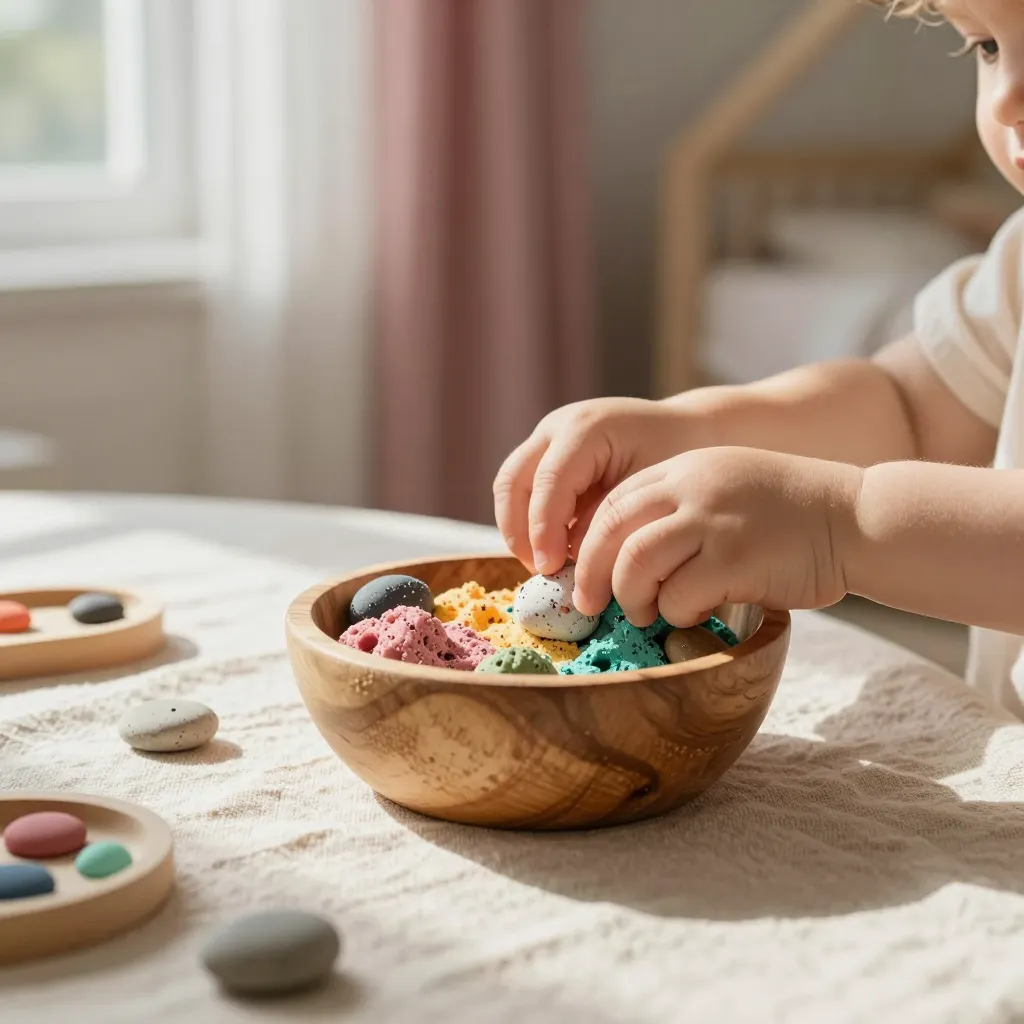
Understanding Toddler Sensory Play: Benefits and Activities for Development
Sensory play is vital for toddler development, helping them learn cause and effect while building neural connections. This guide explores the cognitive, motor, and emotional benefits of play, providing simple, budget-friendly activity ideas you can easily set up at home using common pantry items.
Understanding Toddler Sensory Play: Benefits and Activities for Development
Sensory play is a fundamental aspect of early childhood development. For toddlers, exploring the world through their senses—touch, sight, sound, smell, and taste—is not just a way to pass the time; it is how they learn to process information, understand cause and effect, and build neural connections.
By engaging in activities that stimulate multiple senses, caregivers can support a child's cognitive, physical, and emotional growth in a natural, engaging way.
The Developmental Benefits of Sensory Play
Integrating sensory experiences into a toddler's daily routine provides several key developmental advantages:
Cognitive Growth and Problem Solving
When a child interacts with different materials—such as pouring water, squishing playdough, or sorting textured objects—they are practicing scientific concepts. They learn about volume, weight, temperature, and texture. These experiences foster curiosity and encourage the child to ask "what happens if?" which is the foundation of critical thinking.
Fine Motor Skill Refinement
Many sensory activities require precise hand and finger movements. Activities like picking up small beads, squeezing sponges, or using tweezers to move pom-poms strengthen the small muscles in the hands and wrists. This physical coordination is essential for later milestones, such as holding a pencil or using utensils.
Language Development
Sensory play provides a rich context for vocabulary building. As children play, they encounter new descriptive words like slimy, crunchy, fragrant, dim, loud, or smooth. Caregivers can reinforce these concepts by narrating the child’s actions, helping them connect spoken words to physical sensations.
Emotional Regulation and Calming
For many toddlers, sensory play can act as a grounding mechanism. The repetitive motions of playing with sand or the soothing sensation of water can help a child regulate their emotions, reduce anxiety, and provide a sense of calm during transitions or periods of overstimulation.
Simple Sensory Activity Ideas
You do not need expensive specialized kits to facilitate meaningful sensory play. Most of the best materials can be found in your kitchen or pantry.
Tactile Exploration (Touch)
- Edible Sand: Pulse oats in a blender until they reach a sandy consistency. This provides a safe, texture-rich medium for toddlers who still explore objects with their mouths.
- Gelatin Play: Prepare gelatin and hide small, plastic toys inside. Let the child use their hands to "rescue" the toys, experiencing the cold, squishy texture.
- Texture Bins: Fill a container with various items like dried pasta, rice, or beans, and include scoops and bowls for pouring practice.
Visual and Auditory Stimulation (Sight and Sound)
- Color Mixing: Use clear containers of water and a few drops of food coloring. Allowing a child to watch blue and yellow merge to create green is a powerful visual lesson.
- Sound Shakers: Fill opaque containers (like empty plastic eggs or small bottles) with different materials—such as rice, bells, or pebbles—to explore different volumes and pitches.
Olfactory and Gustatory Exploration (Smell and Taste)
- Scented Playdough: Add extracts like vanilla, peppermint, or lemon to homemade dough to engage the sense of smell during tactile play.
- Spice Smelling Jars: Use small, sealed jars containing safe kitchen spices like cinnamon or ginger to introduce various scents.
Safety Considerations
While sensory play is highly beneficial, safety must remain the priority:
- Supervision: Always closely monitor toddlers during sensory play, especially when using small objects that could pose a choking hazard.
- Non-Toxic Materials: Stick to food-grade or non-toxic materials, particularly for younger toddlers who are in the oral exploration stage.
- Allergy Awareness: Before introducing new scents or materials (like flour or certain spices), ensure there are no known allergies within the household.
- Controlled Environment: Use large trays or mats to contain the mess, making the experience easier to manage and clean up.