Do Dentists Really Recommend Electric Toothbrushes for Kids?
We asked dentists whether electric toothbrushes clean kids’ teeth better than manual ones. Learn the age to switch, technique truths, bristle rules, and fun motivation hacks to keep your child brushing happily and cavity-free.
Electric vs. Manual: Choosing the Right Toothbrush for Your Child
Every parent wants to set their child up for a lifetime of healthy smiles, yet the toothbrush aisle can feel surprisingly overwhelming. Fluoride debates, bristle textures, and the manual-versus-electric question all compete for your attention. When your little one spots a character-themed electric brush, you might wonder: is it actually better for their teeth, or just marketing magic?
Age Matters: When to Introduce Powered Brushes
Dental professionals generally recommend holding off on electric toothbrushes until children reach age three. Before that milestone, tiny mouths and developing motor skills make manual brushes the safer, more appropriate choice. Once your child has better control and understanding, powered options become viable alternatives.
The Technique Truth
Here's what surprises many parents: a manual toothbrush used correctly cleans just as effectively as an electric one. The secret lies in the technique—angling bristles toward the gum line, using gentle pressure, and moving in small circles across all four quadrants for roughly 30 seconds each. Total brushing time should hit two minutes, regardless of brush type.
Electric brushes simply automate those circular motions through vibration or oscillation. This mechanical assistance particularly helps children who struggle with thoroughness or rush through their routine. Additionally, the rapid movement creates richer toothpaste foam that penetrates between teeth more effectively than manual brushing alone.
Bristle Wisdom
One universal rule applies across all ages: soft bristles win. Many assume firmer bristles clean more aggressively, but they actually risk gum irritation and enamel wear. Soft bristles sweep away plaque gently without damaging delicate oral tissues.
The Motivation Factor
Perhaps the most overlooked consideration? Enthusiasm. Children miss over 34 million school hours annually due to dental issues, and kids with cavities typically miss more classroom time than their peers. Untreated decay can escalate into infections that even threaten the development of permanent teeth beneath the gums.
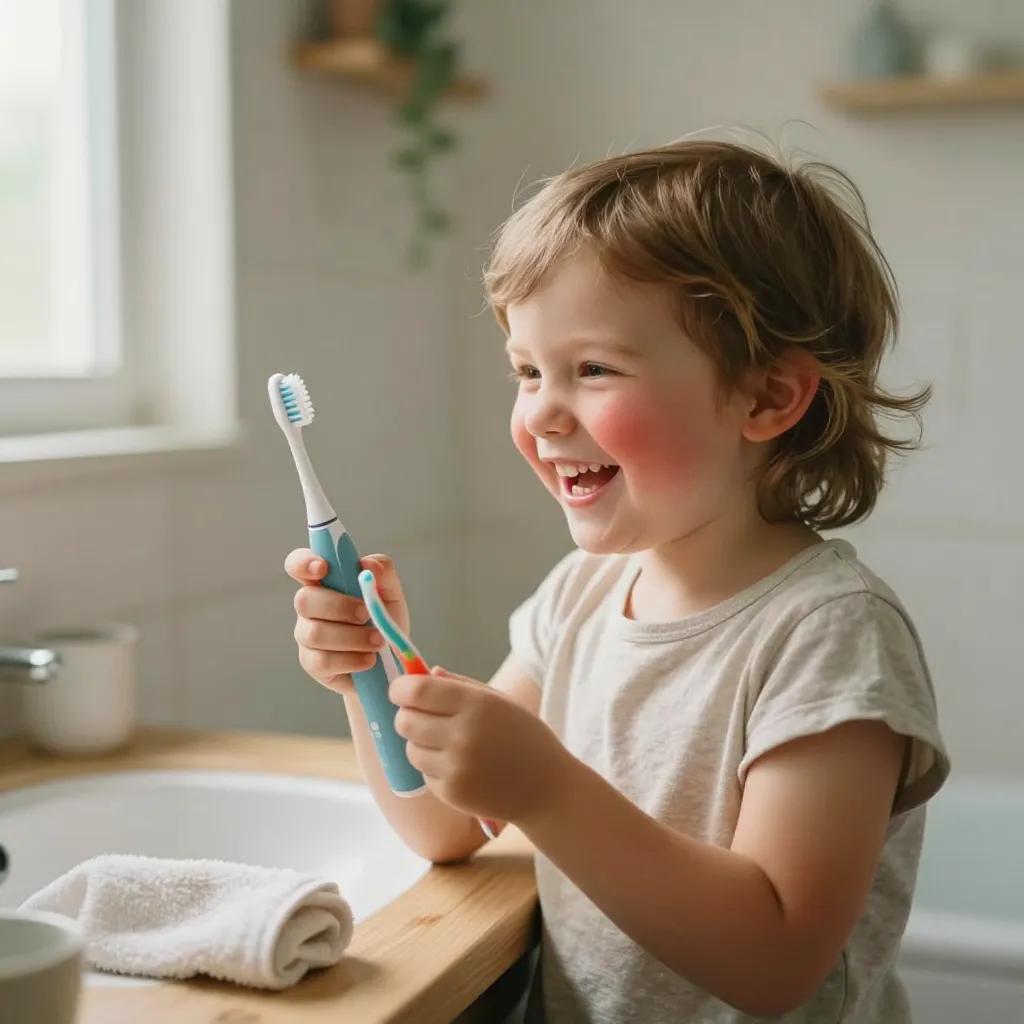
An engaging toothbrush—whether electric with beloved characters or a colorful manual design—transforms brushing from chore to anticipated routine. When children actively choose their brush and look forward to using it, consistency improves dramatically.
Making Your Decision
Consider your individual child when selecting:
- Manual brushes work beautifully for kids with established good technique and sufficient patience for two full minutes
- Electric options support those needing extra help with thoroughness, timing, or motivation
- Character themes, music features, or app connectivity add engagement value worth the modest price difference
The best toothbrush isn't defined by its power source or price point. It's the one your child reaches for willingly, twice daily, building habits that protect their smile for decades to come.