How to Safely Store and Prepare Baby Formula: Avoid Cronobacter Risks
In this guide we explain what Cronobacter is, why powdered formula can harbor it, and who’s most at risk — especially infants under two months or premature babies. You’ll get clear, practical steps for heating water, mixing safely, cooling, storing, and discarding leftovers to protect your newborn’s health.
Cronobacter and Infant Formula Safety: What Parents Need to Know
Feeding your baby comes with countless questions, and safety sits at the top of every parent's list. When you're preparing powdered infant formula, understanding how to protect your little one from rare but serious infections like Cronobacter helps you feel more confident at every feeding.
Understanding Cronobacter
Cronobacter sakazakii (commonly called Cronobacter) is a bacteria found naturally in the environment, including in dry foods like powdered infant formula, powdered milk, and herbal teas. While infections are uncommon, they can become life-threatening for young babies, potentially causing sepsis (a blood infection) or meningitis (inflammation of the brain and spinal cord).
Early symptoms of Cronobacter infection include:
- Fever
- Poor feeding or loss of appetite
- Excessive crying or irritability
- Limpness or decreased muscle tone
- Unusual sleepiness or low energy
If your baby shows any of these symptoms, contact your pediatrician immediately.
Which Babies Face Higher Risk?
Certain infants are more vulnerable to Cronobacter infections:
- Newborns under 2 months old – their immune systems are still developing
- Premature babies – born before full immune system maturity
- Immunocompromised infants – those with weakened immune systems due to medical conditions or treatments
How Contamination Happens
Powdered infant formula differs from liquid formula in one important way: it isn't sterile. While manufacturers follow strict safety protocols, contamination can occur at multiple points.
During manufacturing:
- Contaminated raw ingredients enter the production process
- Formula powder contacts contaminated surfaces or equipment
At home:
- Hands aren't washed thoroughly before preparation
- Bottles, nipples, or breast pump parts aren't properly sanitized
- Formula scoops or lids touch contaminated surfaces (countertops, sinks) before returning to the container
- Unclean water is used to mix formula
Safe Formula Preparation Steps
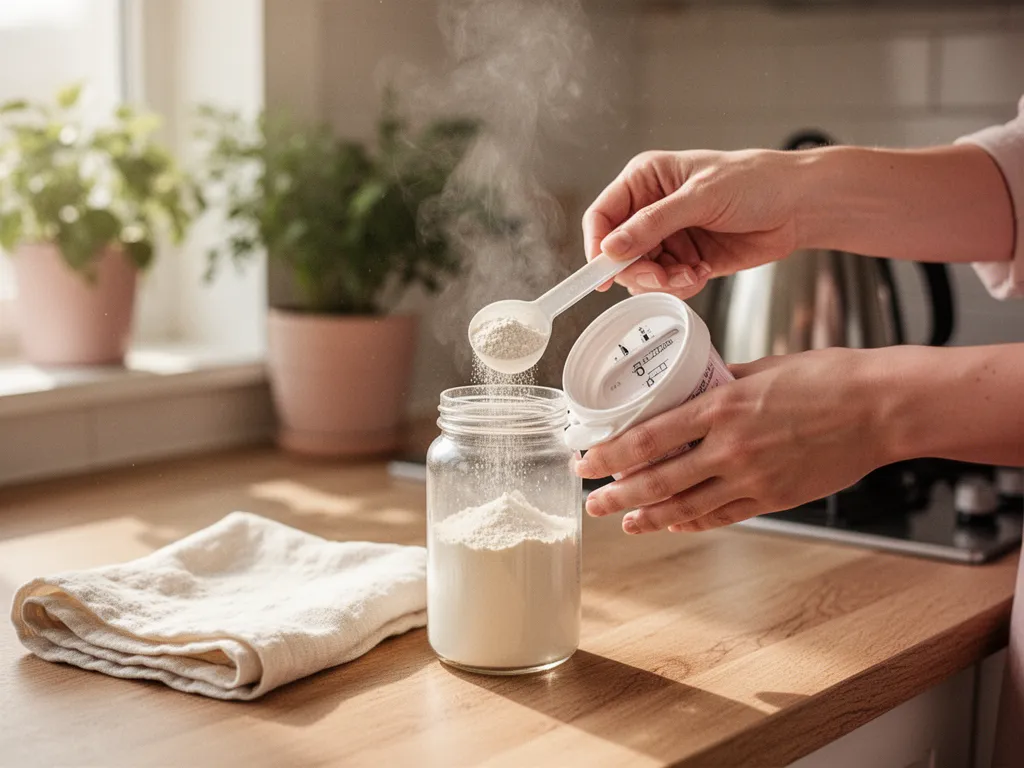
Creating a clean environment before you begin is essential. Wash your hands thoroughly with soap and water, sanitize all feeding equipment, and clean your preparation surface. Never place formula scoops on counters or in sinks—keep lids and scoops clean, dry, and away from potential contamination sources.
For most healthy babies, following the preparation instructions on your formula container is sufficient. However, if your baby is under 2 months, premature, or has a weakened immune system, take these additional protective steps using hot water:
Heat the water – Boil water and let it cool for about five minutes until it reaches at least 158°F (70°C). Use a clean kitchen thermometer to verify the temperature.
Pour and mix – Add the hot water to a clean bottle first, then add the exact amount of formula specified on the container. Cap the bottle and shake to dissolve—avoid using spoons or other utensils that could introduce bacteria.
Cool safely – Bring the formula to body temperature before feeding. Hold the capped bottle under cool running water or place it in an ice bath, ensuring no water touches the nipple or enters the bottle.
Test the temperature – Place a few drops on the inside of your wrist. It should feel warm, never hot.
Storing and Using Prepared Formula
Timing matters when it comes to formula safety:
- Use within 2 hours of mixing if left at room temperature
- Start feeding within 1 hour once your baby begins drinking
- Discard leftovers – never save unfinished formula, even in the refrigerator. The combination of formula and saliva promotes bacterial growth
If you won't feed your baby immediately after preparation, refrigerate the formula right away. Use refrigerated formula within 24 hours.
Building Confidence Through Safe Practices
Worrying about your baby's health is natural, especially during those exhausting early months. By understanding the risks and following these preparation guidelines, you create a safer feeding routine without adding unnecessary stress to your day. Focus on consistent handwashing, proper sanitation, and temperature awareness—these simple habits provide meaningful protection for your little one.