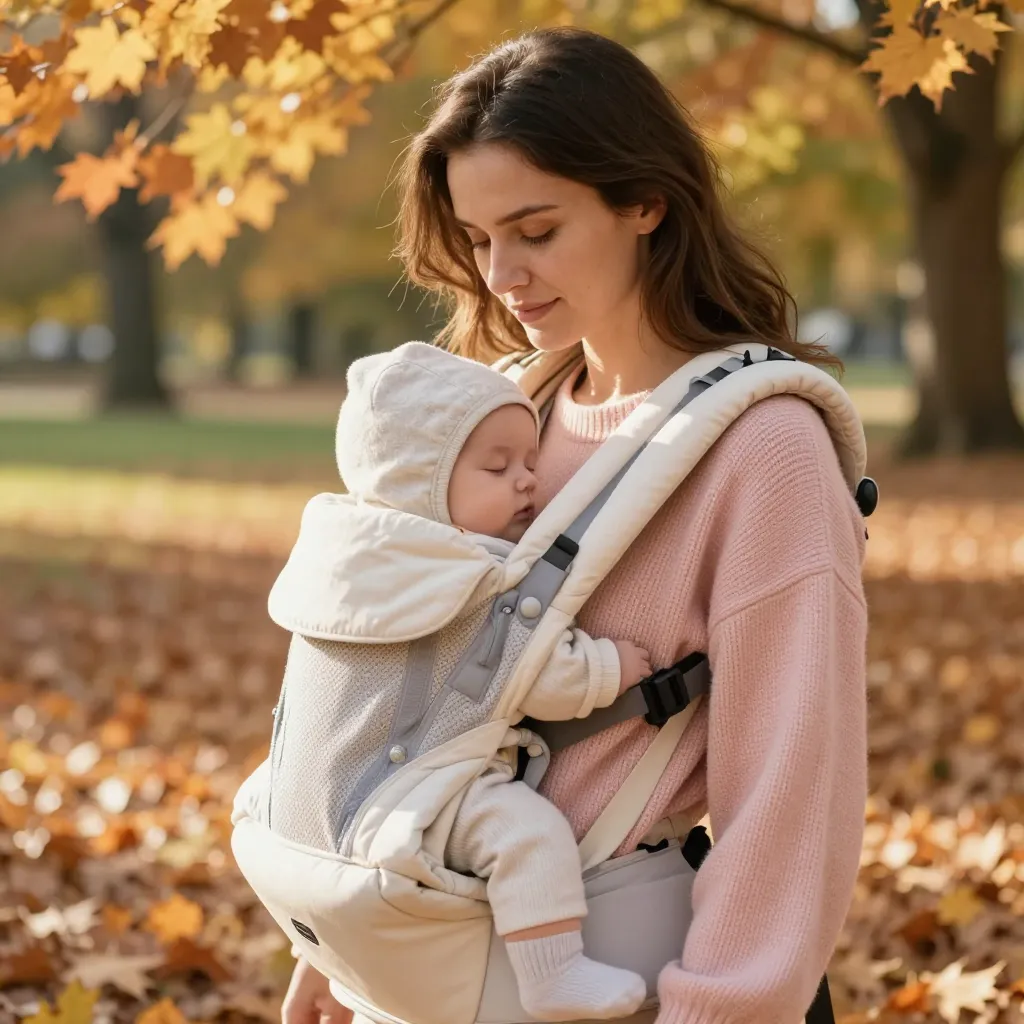
Fall Stroll Alert: Comfy Baby Carrier Sale Now!
This sale features a comfy baby carrier designed for safe, hands-free strolls. Perfect for new parents wanting convenience without compromising on safety or comfort. Ideal for fall weather and everyday adventures.
Finding the Right Fit: A Guide to Comfortable and Safe Baby Carriers
For new parents, the desire to keep your baby close while maintaining some freedom of movement is a common need. While strollers are essential for longer outings, a baby carrier offers unparalleled hands-free convenience for navigating everyday tasks, running quick errands, or simply enjoying a walk without bulky gear. Choosing the right carrier is about balancing your comfort, your baby's safety and development, and ease of use. This guide breaks down key features to look for and highlights several popular styles to help you find the perfect fit for your family.
What Makes a Great Baby Carrier?
The best baby carriers share a few non-negotiable characteristics. First and foremost is safety and healthy hip positioning. The International Hip Dysplasia Institute recommends the "M-position" — where baby's hips are spread apart with thighs supported and knees bent. This is naturally achieved in carriers that allow you to adjust the seat width to properly support your infant's hips as they grow.
Comfort for the wearer is equally critical. Look for wide, padded shoulder straps and a supportive, wide waistband that distributes weight evenly across your hips and torso, not just your shoulders. Features like a supportive back panel or structured design can prevent slouching and reduce strain during longer carries.
For your little one, ergonomic support is key. A good carrier should provide gentle head and neck support for newborns (often with a built-in or removable piece) and allow for a natural, face-forward or inward-facing position. The seat fabric should be soft, breathable, and offer adequate padding for your baby's legs and bottom.
Exploring Popular Baby Carrier Styles
The market offers several distinct types of carriers, each with its own benefits:
1. Soft-Structured Carriers (SSCs)
These are padded, structured carriers that use buckles and straps, making them easy to put on and take off. They typically offer multiple carrying positions (front-inward, front-outward, back) and are known for their versatility. Many models feature adjustable waistbands and visual guides or scales to help parents adjust the seat width to the correct ergonomic "M" position as the child grows. High-quality SSCs often use natural fibers like 100% cotton for breathability and include extra padding for the baby's legs and neck.
2. Wrap Carriers
These consist of long pieces of fabric (often woven or stretchy) that you tie around your body and baby. They offer a custom, incredibly snug fit and are excellent for newborns due to the ability to create a perfect "seat" for tiny hips. While they have a steeper learning curve, they are beloved for the closeness they provide. Some variations include "hybrid" wraps that utilize a slip-on design to simplify the process while maintaining the softness of a traditional wrap.
3. Baby Carrier Backpacks
These are designed for older babies and toddlers who can sit upright unassisted (typically starting around 6 months). They feature a framed design with a dedicated seat for the child, extensive padding, and various storage pockets, making them ideal for hiking, long days out, or travel. Because they are designed for heavier weights, they emphasize heavy-duty padded shoulder and hip belts to manage the load effectively.
4. Ring Slings
A versatile, one-shoulder carrier using a piece of fabric threaded through two rings. They are quick to pop on and off, great for short trips, and allow for easy breastfeeding. They are typically made from materials like linen or cotton. Proper tension adjustment is crucial for safety and comfort, requiring the wearer to master the "tight is right" principle to ensure the baby is secure and supported.
Choosing What's Best for You
Your ideal carrier depends on your primary use cases and your child's age:
- For newborns and all-day comfort: A soft-structured carrier with high adjustability or a well-tied wrap is often preferred for the snug, secure fit.
- For quick, frequent transitions: A ring sling or a simple SSC with quick-release buckles is very convenient.
- For outdoor activities and toddlers: A framed backpack carrier is the standard for long hikes or uneven terrain where a stroller is impractical.
- For long-term value: Many soft-structured carriers offer the widest weight ranges, often supporting infants from 7–8 lbs up to 30+ lbs.
Remember to try on carriers if possible, wearing them with a suitable weight to assess the distribution of pressure on your back and shoulders. The right carrier becomes a trusted tool, fostering closeness and making your daily adventures with your little one smoother and more enjoyable.