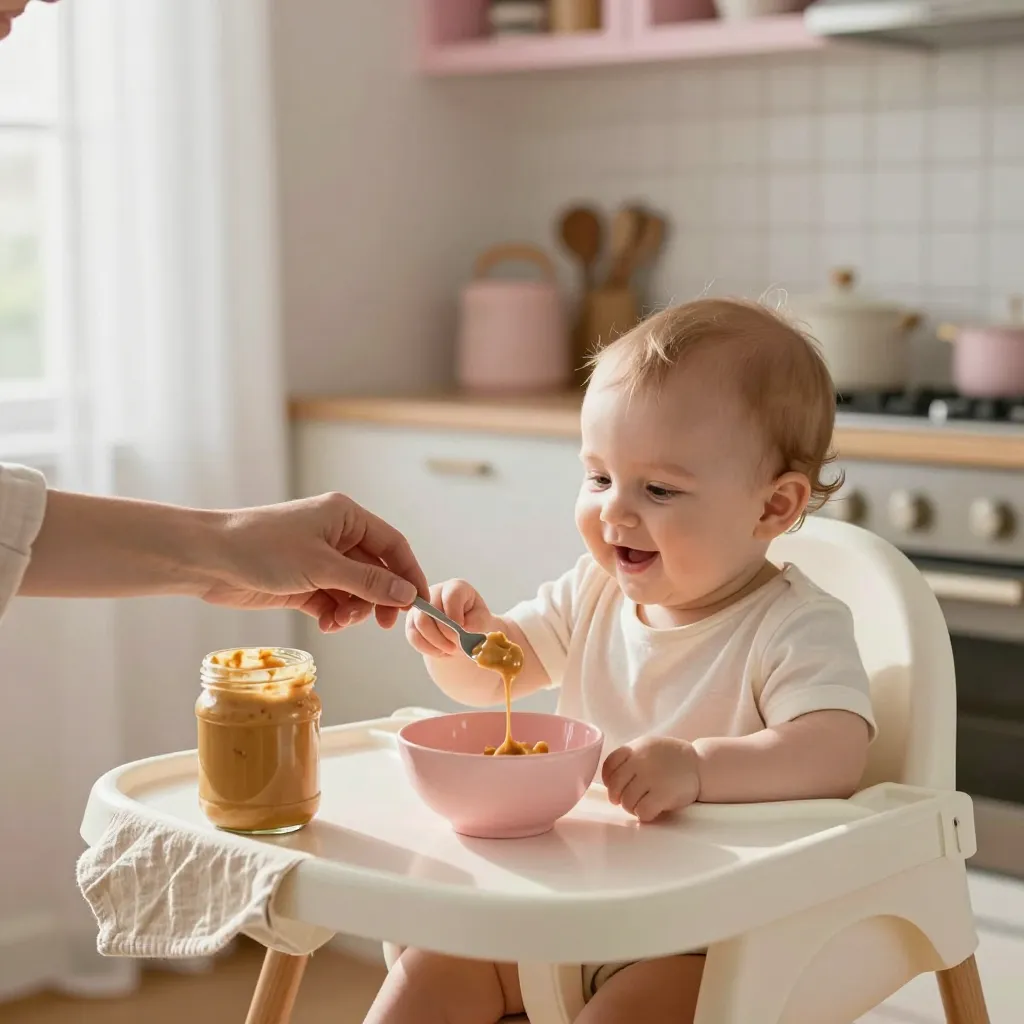
When Can Babies Eat Peanut Butter? A Complete Safety Guide for Parents
Discover the essential guidelines for introducing peanut butter to your baby around 6 months. This guide explains how to safely prepare smooth, thinned servings, spot common allergy symptoms, and incorporate this nutrient-rich food into your little one’s meals while minimizing choking hazards.
When Can Babies Have Peanut Butter? A Complete Guide for Parents
Introducing peanut butter to your little one is a significant milestone, but it often comes with questions and concerns. This guide covers everything you need to know about safely adding this nutrient-rich food to your baby's diet.
Key Points at a Glance
- Early introduction is recommended. Serving peanut butter around 6 months of age, after your baby has tried other foods, may help reduce the risk of peanut allergies—particularly for infants with eczema or egg allergies. Always consult your pediatrician first.
- Texture matters for safety. Thick clumps of peanut butter can be a choking hazard. For new eaters, serve it smooth, thinned out, or mixed into other foods.
- Watch closely for reactions. Because peanuts are a common allergen, introduce peanut butter at home when you can monitor your baby for a few hours afterward.
When Is the Right Time to Introduce Peanut Butter?
Peanuts rank among the most common food allergens, so peanut butter shouldn't be your baby's very first solid food. However, waiting too long isn't advisable either.
Medical guidance has shifted considerably over the years. While parents were once advised to delay introducing allergenic foods, current recommendations from the American Academy of Pediatrics (AAP) encourage earlier exposure. Research published in October 2025 confirmed that introducing allergens like peanuts during infancy can actually lower allergy rates.
Most pediatricians recommend starting solids around 6 months of age. Once your baby has successfully tolerated several less-allergenic foods—such as fruits, vegetables, or infant cereal—you can typically move on to peanut butter with your doctor's approval.
Special Considerations for High-Risk Infants
Some babies face a higher risk of developing peanut allergies:
- Mild to moderate eczema: Your pediatrician may suggest introducing peanut butter by 6 months.
- Severe eczema or existing food allergies: An evaluation by an allergist before introduction is often recommended.
For your baby's first exposure to peanuts, choose a familiar, controlled environment—ideally at home, or at your pediatrician's office if your child is considered high-risk. This makes it easier to monitor for any reactions and identify the cause if issues arise.
Start with a small amount and observe your baby for several hours. If no reaction occurs after the second exposure, you can generally assume there's no allergy and begin incorporating peanuts regularly into their diet.
How to Prepare Peanut Butter for Your Baby
A spoonful of peanut butter straight from the jar isn't appropriate for infants. The thick, sticky consistency requires some preparation to make it safe and manageable.
General Guidelines
- Choose smooth over crunchy for babies and young toddlers.
- Opt for natural varieties without added salt, sugar, or preservatives.
- Never serve thick globs or whole peanuts, as both pose serious choking risks.
- Mix or thin the peanut butter before serving it to young children.
Keep in mind that peanut butter isn't your only option for introducing peanuts. Peanut powder and baby-friendly peanut puffs are excellent alternatives that many infants enjoy.
Age-by-Age Serving Suggestions
For 6-Month-Olds
At this stage, your baby is just beginning their solid food journey. Fine motor skills are still developing, so preloaded spoons work well.
Safe serving ideas:
- Stir a small amount of peanut butter or peanut powder into foods your baby has already tried, such as infant cereal, mashed sweet potato, or yogurt (note that dairy is also a common allergen).
- Soften peanut butter puffs in breast milk or formula, then offer them on a preloaded spoon.
For 9-Month-Olds
By now, many babies are developing their pincer grasp and enjoying finger foods.
Safe serving ideas:
- Spread a thin layer of smooth peanut butter on whole grain toast or pancakes, then cut into manageable pieces.
- Blend peanut butter into smoothies.
- Thin peanut butter with water or milk to create a simple sauce for whole grain pasta.
For 12-Month-Olds and Older
Toddlers can handle more variety, but safety remains important.
Safe serving ideas:
- Let your toddler practice scooping peanut butter from yogurt or oatmeal with their own spoon.
- Offer peanut butter pancakes cut into pieces they can spear with a fork.
- Continue avoiding large chunks or thick globs, which remain choking hazards.
Peanut Butter Recipes for Babies and Toddlers
Incorporating peanut butter into meals and snacks is simple with these ideas. Remember to introduce one new food at a time, especially when combining with other common allergens like eggs, dairy, wheat, or soy.
- Banana and Peanut Butter Bites: Spread a thin layer of smooth peanut butter on banana spears or slices.
- Berry Peanut Butter Toast: Top whole grain toast with a thin layer of peanut butter and lightly mashed raspberries. Cut into strips for easy handling.
- Peanut Butter Hummus: Replace tahini with peanut butter in your favorite hummus recipe.
- Simple Peanut Noodles: Thin smooth peanut butter with warm water (and a splash of lime juice if desired) to make a sauce for whole wheat pasta.
- Sweet Potato Peanut Soup: Blend baked sweet potato with coconut milk and a spoonful of peanut butter for a scoopable, nutritious soup.
- No-Bake Peanut Butter Bites: Combine mashed banana, rolled oats, and peanut butter. Roll into small balls and refrigerate until firm.
Nutritional Benefits of Peanut Butter
Peanut butter offers impressive nutritional value for growing children:
- Protein: Supports rapid growth and development.
- Healthy fats: Important for brain development.
- Vitamins and minerals: Rich in niacin, folate, magnesium, copper, iron, and zinc.
- Vitamin E: Acts as an antioxidant that supports cognitive health.
Recognizing Peanut Allergies
Peanuts are one of the most prevalent food allergens in childhood, alongside cow's milk and eggs. Vigilance during introduction is essential.
Signs of an Allergic Reaction
Watch for these symptoms immediately or within one to two hours after eating:
- Hives or skin redness
- Itching
- Swelling of the skin, lips, or tongue
- Sneezing
- Wheezing
- Throat tightness or difficulty swallowing
- Nausea, vomiting, stomach pain, or diarrhea
- Trouble breathing
What to Do If You Suspect an Allergy
Remove all peanut products from your child's diet and contact your pediatrician. They may recommend allergy testing to confirm the diagnosis.
Seek emergency medical attention immediately by calling 911 if your child shows signs of a severe, life-threatening reaction (anaphylaxis), such as difficulty breathing or swallowing.
Choking Safety
Peanut butter's sticky texture makes it one of the leading choking hazards for children under four. Follow these precautions:
- Always thin or mix peanut butter with other foods for young children.
- Serve in small, manageable amounts.
- Supervise your child closely during all meals and snacks.
- Ensure your child sits upright while eating.
- Never offer food while your child is reclining, walking, in a car seat, or playing.
Final Thoughts
Introducing peanut butter to your baby doesn't have to be complicated. With the right preparation, timing, and precautions, you can safely add this nutritious food to your child's diet while potentially reducing their allergy risk. When in doubt, your pediatrician is your best resource for personalized guidance tailored to your baby's unique needs.