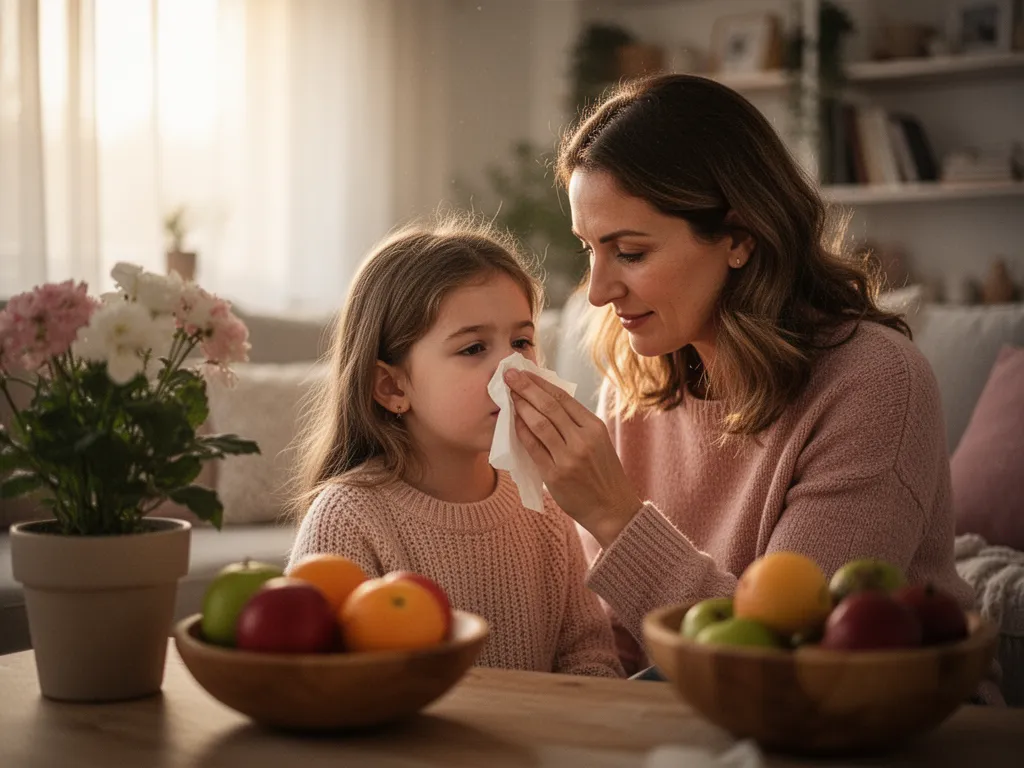
Allergies in Children: A Parent's Guide to Triggers, Symptoms, and Safety
Help your child breathe easier by understanding the causes of allergic reactions, from pollen to peanuts. This guide covers symptoms, genetic risks, and practical home tips for parents to manage their child's health and safety effectively.
Understanding Allergies in Children: A Guide for Parents
[cite_start]When your child’s immune system encounters a substance it deems "dangerous"—even if that substance is actually harmless—it may overreact[cite: 3]. [cite_start]This overreaction is what we call an allergy, and the trigger itself is known as an allergen[cite: 4]. [cite_start]These reactions can range from mild seasonal sniffles to more significant health concerns[cite: 6].
How Allergic Reactions Occur
[cite_start]Allergens can find their way into a child's system through several pathways: breathing them in, skin contact, eating or drinking them, or through injections like stings[cite: 5]. [cite_start]When the body detects a trigger, it releases chemicals that result in various symptoms[cite: 6]:
- [cite_start]Respiratory: Sneezing, wheezing, coughing, or a runny/stuffy nose[cite: 6, 8].
- [cite_start]Skin: Itching, rashes, hives (urticaria), or swelling[cite: 6, 15].
- [cite_start]Digestive: Stomach upset, vomiting, or diarrhea[cite: 6, 13].
- [cite_start]Severe: In rare cases, a life-threatening reaction called anaphylaxis can occur, requiring immediate medical intervention[cite: 6, 13].
Common Environmental Triggers
[cite_start]Environmental allergies, often referred to as allergic rhinitis or "hay fever," occur when children react to airborne particles[cite: 8, 9]. [cite_start]These triggers can be seasonal or persist year-round[cite: 8]:
- [cite_start]Outdoor Triggers: Pollen from weeds, grasses, and trees, as well as outdoor mold spores[cite: 7, 8].
- [cite_start]Indoor Triggers: Dust mites found in soft furniture and bedding, indoor mold, and animal dander (saliva, skin flakes, or urine from furry pets)[cite: 7, 8].
Food and Physical Allergens
[cite_start]Food allergies involve the immune system reacting to specific proteins in food[cite: 10]. [cite_start]While many foods can be triggers, the most common allergens for children include milk, eggs, peanuts, tree nuts, soy, wheat, fish, shellfish, and sesame[cite: 10]. [cite_start]Symptoms may appear immediately or be delayed[cite: 11, 12].
Other common physical triggers include:
- [cite_start]Insect Stings: Severe reactions to bees, wasps, or fire ants[cite: 19].
- [cite_start]Medications: Reactions to antibiotics or over-the-counter pain relievers[cite: 7, 20].
- [cite_start]Skin Irritants: Contact dermatitis can be caused by nickel jewelry, soaps, fragrances, or plants like poison ivy[cite: 14].
Is it Genetic?
[cite_start]Allergies frequently run in families[cite: 22]. [cite_start]A child’s risk of developing allergies increases if one parent has them, and that risk is significantly higher if both parents are affected[cite: 23, 24]. [cite_start]However, the specific type of allergy or the way it manifests can vary greatly between family members[cite: 25].
Creating a Low-Allergen Home
[cite_start]If your child has identified triggers, managing the home environment can help reduce their discomfort[cite: 29].
| Area of Concern | Prevention Strategies |
|---|---|
| Air Quality | [cite_start]Keep windows closed during high-pollen days; use air conditioning and HEPA-filter vacuums[cite: 29]. |
| Indoor Surfaces | [cite_start]Use dust-mite-proof covers on pillows and mattresses; wash bedding in hot water[cite: 29]. |
| Hygiene | [cite_start]Wash hands and faces after outdoor play or petting animals; change clothes after being outside[cite: 29]. |
| Food Safety | [cite_start]For food allergies, practice strict avoidance and read every ingredient label carefully[cite: 30]. |
| Humidity | [cite_start]Keep indoor humidity levels low to discourage mold and dust mites[cite: 29]. |
Diagnosis and Professional Care
[cite_start]Determining the cause of a child's symptoms often begins with a conversation with a pediatrician[cite: 28, 34]. [cite_start]Diagnosis may be based on a history of reactions or through specific allergy testing[cite: 27, 28].
[cite_start]A referral to an allergist may be necessary if symptoms are severe, hard to control, or if the specific trigger remains unclear[cite: 33]. [cite_start]Specialized care can include personalized safety plans and treatments like immunotherapy (allergy shots) to help the immune system build tolerance over time[cite: 33].