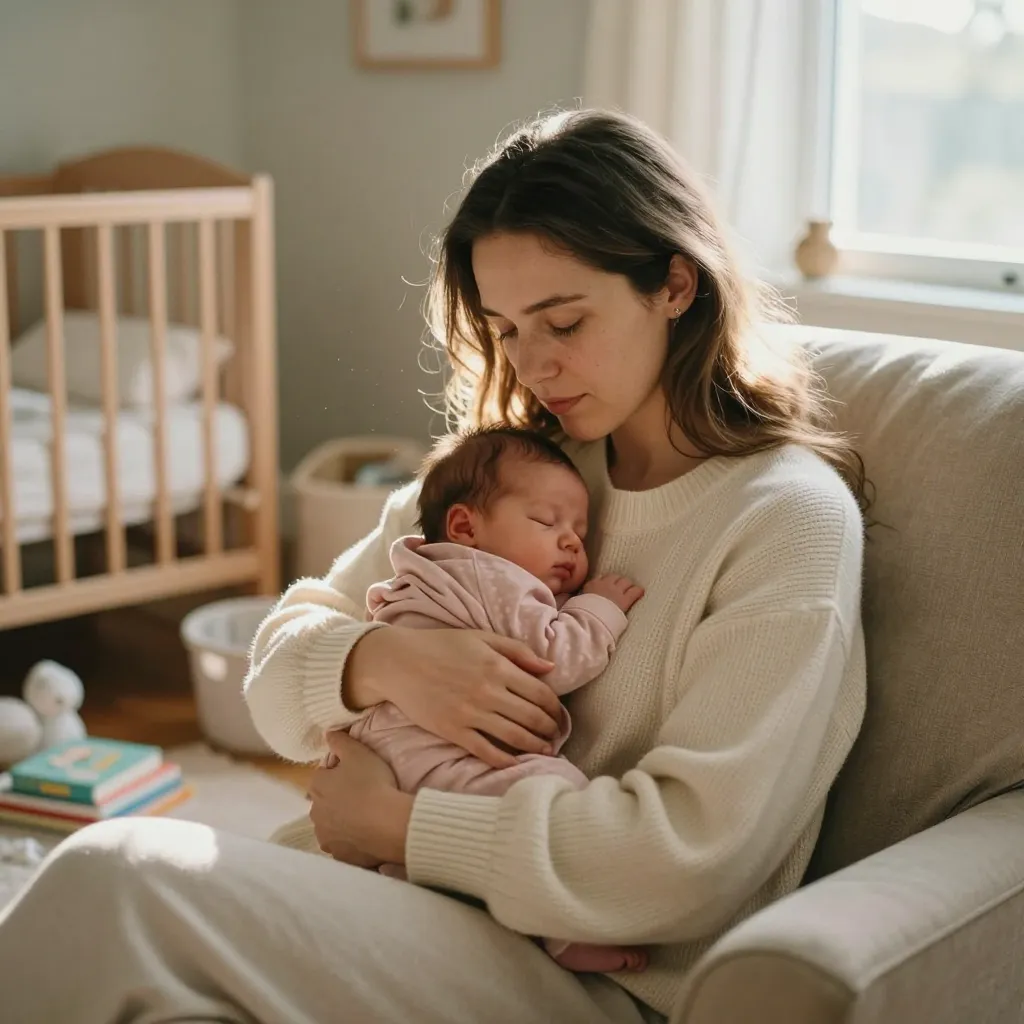
Maybe We Can Be Mothers and Still Feel Free: Navigating Postpartum Overload
Explore why many mothers feel trapped by constant caregiving and learn how to shift from a state of survival to a life of liberty. This guide offers practical steps for postpartum mental health, helping you transition from the 'black hole of need' to a balanced, independent self.
Finding Your Way Back to Freedom: Navigating the Emotional Weight of Postpartum and Early Motherhood
In the early years of motherhood—particularly those marked by the intense, around-the-clock demands of toddlers and young children—a specific kind of exhaustion often takes root. It is a physical and mental "bracing," a feeling of being constantly on call, where the boundaries between your own identity and the needs of your children become blurred. For many mothers, this period is characterized by a deep, almost desperate craving for space.
The Phenomenon of the "Gollum Phase"
When the demands of caregiving are at their peak, many women find themselves fiercely guarding their solitude. This is sometimes referred to as the "Gollum phase" of motherhood—a period where any scrap of time alone is treated like a precious treasure to be protected at all costs.
In this state, social invitations can feel like burdens, and even the sweetest requests for "one more snuggle" can trigger a sense of internal resistance. This isn't a reflection of a lack of love; rather, it is a survival mechanism. When your sensory system is overloaded by constant touch, noise, and emotional labor, the nervous system enters a state of hyper-vigilance. You hide not because you want to disappear, but because you are trying to find the person you were before the noise began.
Understanding the "Trapped" Narrative
The feeling of being trapped is a common, though rarely discussed, aspect of the postpartum journey and early parenting. It can stem from various factors:
- Physical Dependence: The sheer intensity of caring for children who cannot yet meet their own basic needs.
- Isolation: A lack of consistent community support or "village" care, which leaves the primary caregiver shouldering the entire emotional load.
- Internalized Pressure: The societal expectation that mothers should find total fulfillment in every moment of parenting, which can lead to guilt when one feels the urge to retreat.
This "black hole of need" can feel infinite while you are in it. It is easy to believe that you will always feel this way—that the need for solitude will never be satisfied and that the door to your former, freer self has been permanently closed.
The Gradual Shift Toward Liberty
Perspectives on motherhood are rarely static; they evolve as children grow and as our own capacity for resilience shifts. Often, the transition out of the "trapped" phase happens so gradually that it is easy to miss.
As children gain independence—transitioning from the constant physical proximity of the toddler years to the more self-sufficient stages of middle childhood—the "bracing" sensation begins to thaw. You may find yourself standing in a quiet living room, realizing that for the first time in years, you aren't being followed, and you don't actually need to hide.
Cultivating Moments of Freedom
Reclaiming a sense of freedom doesn't always require a week-long solo vacation. It often starts with small, intentional shifts in how we view our time and our role within the family:
- Acknowledge the Need: Validate the desire for space as a health requirement rather than a selfish impulse. Recognizing that "unclenching" is necessary for your mental well-being is the first step toward finding balance.
- Lean into Community Care: Whether it’s shared school pickups, playdates, or help from a partner, accepting "community care" is essential. These slivers of shared responsibility are the building blocks of personal liberty.
- Audit Your "Hiding" Habits: Sometimes, we continue to hide long after the immediate "threat" of overstimulation has passed. Check in with yourself: Are you staying in the bedroom because you need rest, or because you are still bracing for a demand that isn't coming?
- Redefine Freedom: Freedom in motherhood doesn't have to mean the absence of children. It can be the ability to exist alongside them as an independent person—to sit in the same house and pursue your own interests while they pursue theirs.
A Note for the Mother Feeling Overwhelmed
If you are currently in the thick of it, feeling contorted by the pressures of caregiving and the lack of autonomy, it is important to know that these feelings are not permanent. The intensity of early motherhood can feel like a room with no exits, but as the seasons of parenting change, the walls move back.
Perspectives shift, children grow, and the "black hole of need" eventually begins to fill. It is possible to be both a dedicated mother and a free individual; sometimes, it just takes a little time for the two roles to learn how to coexist.