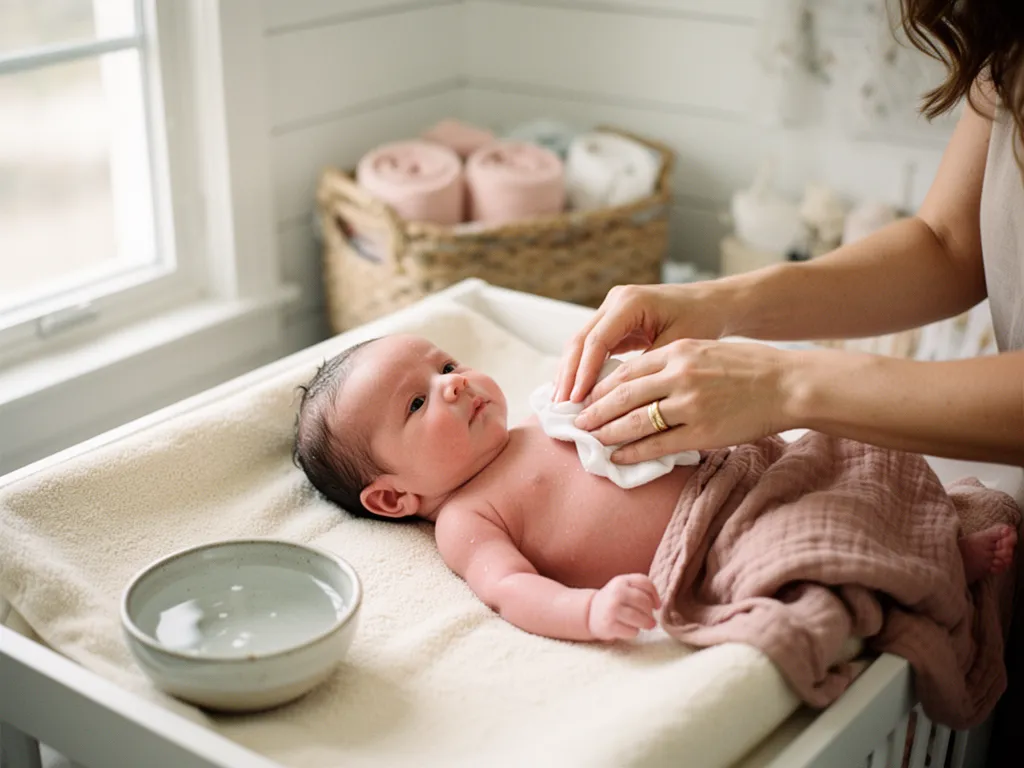
The Complete Guide to Bathing Your Newborn: A Stress-Free Approach for New Parents
Discover essential techniques for bathing your newborn safely and confidently, from sponge baths during the first weeks to transitioning to tub baths. This comprehensive guide covers preparation, safety fundamentals, and how to turn bath time into a meaningful bonding experience that supports your baby's development and strengthens your parent-child connection.
The Complete Guide to Bathing Your Newborn: A Stress-Free Approach for New Parents
Bringing home a newborn transforms everyday routines into learning experiences. One of the most common sources of anxiety for new parents is bath time—that small ritual that should be soothing yet often feels overwhelming. With the right preparation and understanding, bathing your baby can become a cherished moment of connection rather than a source of stress.
Why Bath Time Matters Beyond Cleanliness
While keeping your baby clean is the obvious goal, bath time serves a deeper purpose in early development. The warm water, gentle touch, and focused attention create a multisensory experience that supports bonding between parent and child. These moments of close physical contact release oxytocin, often called the "love hormone," which strengthens emotional attachment and helps regulate your baby's nervous system.
For newborns especially, the sensation of warm water can mimic the womb environment, providing comfort during the transition to the outside world. Many parents find that establishing a consistent bath routine helps signal to their baby that it's time to wind down, potentially supporting better sleep patterns as your little one grows.
Essential Supplies for Safe Bathing
Preparation eliminates panic. Gathering everything you need before undressing your baby ensures you never have to step away mid-bath, which is crucial for safety.
The Right Support System
Newborns cannot sit unsupported, making proper positioning equipment essential. Look for a baby bather or sling that cradles your infant in a reclined position rather than requiring them to sit upright. Upright bath seats pose significant tipping hazards for babies who lack head and neck control.
Key safety features to verify:
- Stable, non-slip base
- Secure harness or support system
- Compliance with current safety standards
- No small detachable parts that could become choking hazards
Soft Textiles
Your newborn's skin is significantly thinner and more sensitive than adult skin. Choose washcloths made from organic cotton or bamboo—small, thin fabrics without decorative elements like embroidery or tags that could irritate. Pre-wash all textiles in fragrance-free, dye-free detergent to remove manufacturing residues.
Hooded towels serve dual purposes: they dry your baby while helping maintain body temperature. Newborns lose heat rapidly, especially through their heads, so having a warm towel ready prevents chilling.
Gentle Cleansing Products
Adult skincare products are far too harsh for infant skin. Select cleansers specifically formulated for newborns with these characteristics:
- Hypoallergenic and dermatologist-tested
- Free from synthetic fragrances and dyes
- No parabens, sulfates, or phthalates
- pH-balanced to match baby skin
Many parents find that plain warm water is sufficient for most baths during the first month, using cleanser only for obvious soiling or a few times weekly.
Sponge Baths: The First Weeks
Until your baby's umbilical cord stump detaches and the area heals completely—typically one to four weeks after birth—sponge baths are the safest option. This method keeps the cord area dry while still allowing you to clean your baby's skin thoroughly.
Setting Up Your Station
Choose a flat, secure surface at a comfortable height for you. A changing table, firm bed, or even the floor (with a protective pad) works well. The room should be warm—around 75°F (24°C)—since your baby will be partially undressed.
Lay out your supplies within arm's reach:
- Two soft washcloths (one for face, one for body)
- Mild baby cleanser
- Warm water in a bowl or basin
- Hooded towel
- Clean diaper and clothing
- Any skincare products your pediatrician has recommended
The Sponge Bath Process
Step 1: Face First Always begin with the face to avoid transferring bacteria from other body areas. Use a clean, damp washcloth with plain warm water—no soap needed. Wipe gently from the inner eye outward, using a different corner of the cloth for each eye. Clean around the nose, behind the ears, and around the mouth.
Step 2: Head and Hair Support your baby's head with one hand while washing with the other. Use a tiny amount of cleanser if needed, rinsing thoroughly. The soft spots (fontanelles) on your baby's skull are protected by tough membranes, so you can wash this area gently without fear.
Step 3: Body Cleaning Remove the diaper last to prevent accidents during the face-washing phase. Clean the neck folds carefully—milk and moisture collect here and can cause irritation. Work your way down the body, paying special attention to skin creases in the armpits, behind knees, and in the diaper area.
For girls, clean the genital area from front to back. For boys, clean around the penis without forcing back the foreskin if uncircumcised.
Step 4: Drying and Dressing Pat skin dry rather than rubbing, which can cause irritation. Apply any recommended moisturizers or diaper creams, then dress your baby promptly to maintain warmth.
Transitioning to Tub Baths
Once the umbilical cord has healed, you can introduce your baby to an infant tub or sink bath. This transition often delights parents who find tub baths easier and more enjoyable for both themselves and their babies.
Water Safety Fundamentals
The most critical rule: never leave your baby unattended in or near water. Drowning can occur in just one to two inches of water and happens silently within seconds. If you must step away—even for a moment—wrap your baby in a towel and take them with you.
Temperature Guidelines:
- Fill the tub with 2-3 inches of water
- Test temperature with your wrist or elbow (more sensitive than your hand)
- Aim for approximately 100°F (38°C)—warm but not hot
- Never add water while your baby is in the tub, as temperature fluctuations can cause scalding
The Tub Bath Routine
Preparation Phase Gather supplies, fill the tub, and test the water before bringing your baby to the bathing area. Keep one hand on your baby at all times during the bath—this "touch supervision" technique prevents slips and provides constant reassurance.
During the Bath Lower your baby slowly into the water, feet first, while maintaining support under the head and neck. Most newborns instinctively curl their toes when touching water, which can help them feel secure against the tub's surface.
Use a cup or your hand to pour warm water over your baby's body continuously to maintain temperature. Clean in the same order as sponge baths: face first, then hair, then body.
Making It Enjoyable Your emotional state transfers to your baby. Speak in a calm, soothing voice. Maintain eye contact and smile. Some parents find that singing or narrating what they're doing ("Now I'm washing your toes, wiggle wiggle") keeps both themselves and their baby relaxed.
After the Bath Lift your baby securely, supporting the head and neck, and immediately wrap in a warm towel. Pat dry thoroughly, paying attention to skin folds where moisture can cause irritation or yeast growth.
How Often Should You Bathe a Newborn?
Contrary to instinct, daily baths aren't necessary and can actually harm your baby's skin. Three baths per week is sufficient for most newborns, with spot cleaning of the face, neck, and diaper area as needed between baths.
Over-bathing strips natural oils from delicate skin, leading to dryness, irritation, and eczema flare-ups. If your baby enjoys bath time and you want to make it part of a daily routine, consider alternating full baths with "topping and tailing"—washing just the face, hands, and diaper area with a warm cloth.
Exceptions that warrant extra baths include:
- Significant spit-up or milk residue in neck folds
- Diaper blowouts
- Warmer weather causing sweating
- Recommended by your pediatrician for specific skin conditions
Troubleshooting Common Concerns
Fussiness During Baths If your baby cries consistently during baths, consider these factors:
- Water temperature too cold or hot
- Room draft causing chilling
- Hunger or overtiredness
- Positioning that feels insecure
- Sensory sensitivity to the hard tub surface
Try adjusting one variable at a time. Some babies prefer sponge baths longer than others—there's no rush to transition to a tub.
Cradle Cap This common, harmless condition appears as scaly patches on the scalp. Gentle washing with a soft brush can help, but avoid picking at scales. Your pediatrician can recommend treatments if it becomes severe.
Dry Skin If you notice flaking or rough patches, reduce bath frequency, ensure water isn't too warm, and apply a fragrance-free baby moisturizer immediately after bathing while skin is still slightly damp.
Building Bath Time into Your Routine
As your baby grows, bath time evolves from a practical necessity into an opportunity for learning and play. Even in the newborn stage, you can establish patterns that will serve you well:
- Consistency: Bathing at the same time each day helps regulate your baby's internal clock
- Cues: Using the same words, songs, or routine steps signals what comes next
- Flexibility: Some days your baby will love baths; other days they'll fuss. Both are normal.
Remember that your confidence grows with practice. The first few baths may feel awkward, but soon you'll develop a rhythm that works for your unique baby. Trust your instincts, follow safety guidelines, and allow yourself to enjoy these fleeting moments of your newborn's earliest days.
The water that once seemed intimidating becomes a medium for connection—a place where your baby learns to trust your care, where you learn to read their cues, and where the foundation of your relationship continues to strengthen with every gentle splash.