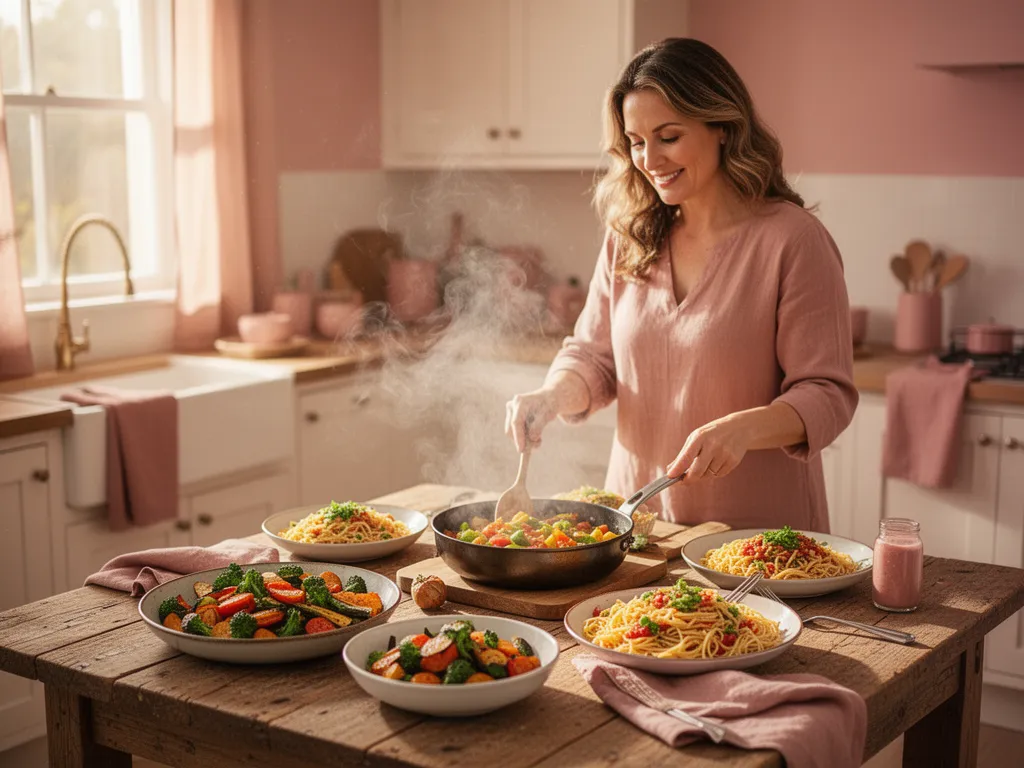
12 Kid Dinners That Aren't Chicken Nuggets Or Buttered Noodles
Tired of the same old kid dinners? This guide offers 12 creative alternatives to chicken nuggets and buttered noodles that will help expand your child's palate. These family-friendly meals are designed to be appealing to kids while introducing new flavors and textures, making dinner time less of a battle and more of an enjoyable experience for everyone.
Nurturing Young Palates: Gentle Strategies for Family Mealtimes
Many parents share the daily goal of filling their child's belly while gently encouraging them to embrace new foods. This journey is not just about nutrition; it's about fostering a positive relationship with food and strengthening family bonds through shared meals. Approaching this with patience and empathy can transform mealtimes from a source of stress into opportunities for connection and growth.
Understanding Picky Eating: A Normal Phase
Children, especially between ages two and six, often exhibit picky eating behaviors. This phase, sometimes called food neophobia, is a common developmental stage where caution around new foods is a natural protective response. Sensory sensitivities—such as disliking certain textures, smells, or colors—also play a role. Recognizing that this is typically a temporary part of growth can alleviate parental anxiety and reduce pressure at the table.
Practical, Low-Pressure Approaches to Expand Food Preferences
Offer Variety with Flexibility
At each meal, include at least one familiar food your child enjoys alongside a new or less-preferred item. Present foods separately on the plate to avoid overwhelming them. Encourage exploration without mandates: instead of "You must eat your broccoli," try "Would you like to give the broccoli a try?" or "You can smell it or touch it if you're not ready to taste it."
Involve Children in Food Preparation
Engaging your child in simple cooking tasks—like washing produce, tearing lettuce, or assembling ingredients—can spark curiosity and ownership. When children help prepare a meal, they're often more inclined to taste the results. This also builds practical skills and makes mealtime a collaborative family activity.
Model Enthusiasm and Shared Eating
Family meals are powerful teaching moments. Eat together regularly, and demonstrate enjoyment of a diverse diet. Comment positively on flavors and textures: "I love how crunchy this carrot is!" Avoid separate "kid meals"; instead, serve everyone the same foods, adjusting portions and presentations as needed. This normalizes variety and reduces feelings of isolation for the child.
Create a Fun and Stress-Free Environment
Make food visually appealing with colorful arrangements or creative shapes. Use playful names for dishes, like "superhero sticks" for carrot fries or "cloud mash" for potatoes. Keep mealtimes screen-free and focus on light, positive conversation about the day. This shifts attention from what's on the plate to family connection, easing anxiety around eating.
Embrace Repeated Exposure
Research shows children may need 10 to 15 presentations of a new food before accepting it. Serve the same food in different ways—roasted, steamed, or in a casserole—without comment or expectation. Celebrate neutral interactions, such as touching or smelling the food, as progress. Consistency is key; avoid removing foods permanently after a refusal.
Building Positive Mealtime Relationships
The emotional atmosphere of meals significantly impacts eating behaviors. Strive for a calm, predictable routine where all family members feel respected. Set reasonable time limits for meals (e.g., 20–30 minutes) and avoid using food as a reward or punishment. This helps children develop internal cues for hunger and fullness, promoting a healthy long-term relationship with food.
Recognizing When to Seek Additional Support
Most picky eating resolves with time and gentle guidance. However, consult a pediatrician or a feeding specialist if your child's diet is extremely restricted, leading to weight loss, nutritional deficiencies, or significant distress. Conditions like oral-motor difficulties or sensory processing disorders may require targeted strategies. Early professional advice can provide tailored support and peace of mind.
The Gradual Path to Palate Expansion
Expanding a child's food repertoire is a marathon, not a sprint. Each small step—a lick, a bite, a willingness to have a new food on the plate—is progress worth acknowledging. By maintaining a supportive, pressure-free approach, you're not only broadening their nutritional intake but also nurturing their confidence and family harmony. Trust in the process, and let mealtimes become a nurturing space where curiosity and connection flourish naturally.