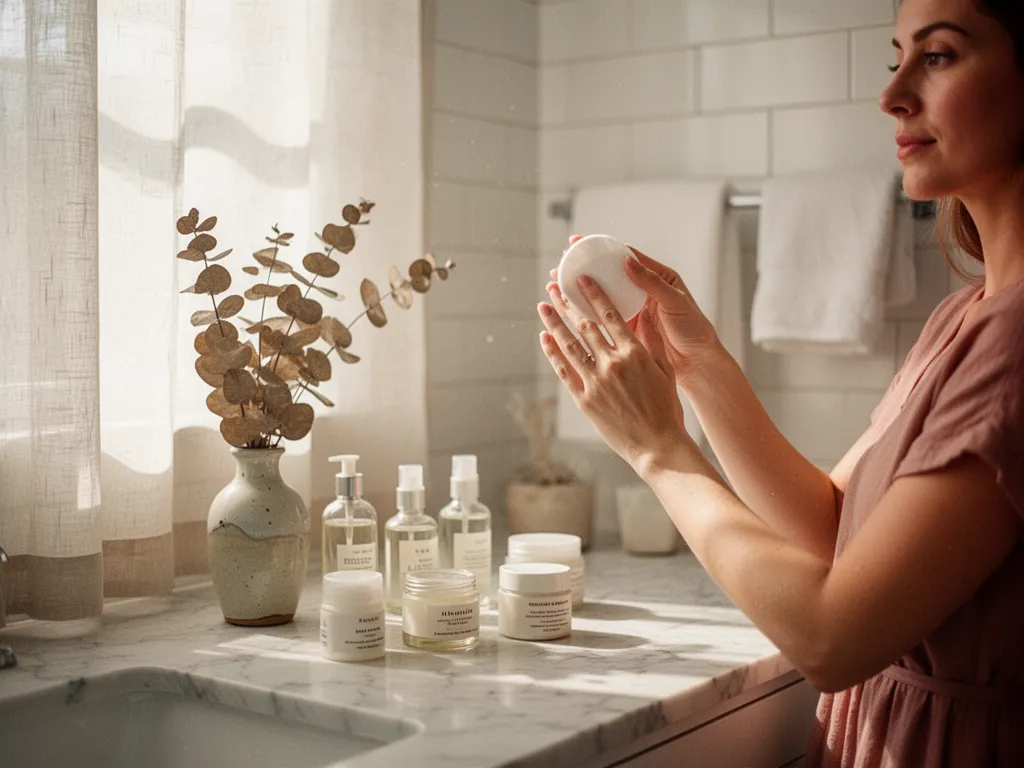
Postpartum Skincare: Managing Hormonal Acne and Dryness After Baby
Navigate the intense hormonal shifts of the postpartum period with targeted advice. Learn how to manage sudden acne breakouts and combat skin dehydration caused by breastfeeding using the right ingredients and a simple, effective routine designed for busy new moms.
Postpartum Skincare: Navigating Skin Changes After Baby
Bringing a new baby home is a monumental life shift, and for many mothers, it is accompanied by equally significant changes in their skin. During the postpartum period, your body undergoes intense hormonal fluctuations that can manifest externally. Addressing these skin concerns is a common aspect of self-care after childbirth. Finding the right routine is less about complex regimens and more about identifying effective ingredients that meet your current needs.
Whether you are dealing with unexpected breakouts, skin redness, or lingering hyperpigmentation, understanding the underlying causes is the first step toward effective care.
The Impact of Hormones on Postpartum Acne
Many mothers experience hormonal acne during puberty or their menstrual cycles, so it is perhaps unsurprising that the profound hormonal shifts after pregnancy can trigger breakouts.
Fluctuating hormone levels are the primary culprit. Specifically, changes in progesterone levels can cause your body to produce more sebum (oil). This excess oil frequently leads to clogged pores and, consequently, unexpected breakouts.
If you are navigating postpartum acne, specific ingredients can help manage it:
- Topical Retinoids: For blackheads and whiteheads, products containing retinoids (or tretinoin) can be effective.
- Benzoyl Peroxide: For inflammatory acne, benzoyl peroxide is a common and useful ingredient.
- Consistent Cleansing: A daily, gentle cleansing routine is foundational for managing any type of hormonal breakout.
Furthermore, for some new mothers, restarting hormonal birth control under medical guidance can help clear up these specific acne issues.
How Breastfeeding Affects Your Skin
While breastfeeding is not a direct cure for postpartum acne, it does significantly impact your overall skin health, primarily due to hydration changes.
Breastfeeding is often associated with postpartum weight loss, but it can have an adverse effect on skin hydration. When you breastfeed, your body utilizes a substantial amount of fluid to produce milk. This process naturally redirects water from other body systems, including the skin.
Regardless of how much water you drink, this moisture loss can lead to notably dry, dehydrated, or flaky skin. To combat this effectively, prioritizing a daily, gentle moisturizer is crucial for replenishing skin moisture and managing dryness associated with breastfeeding.