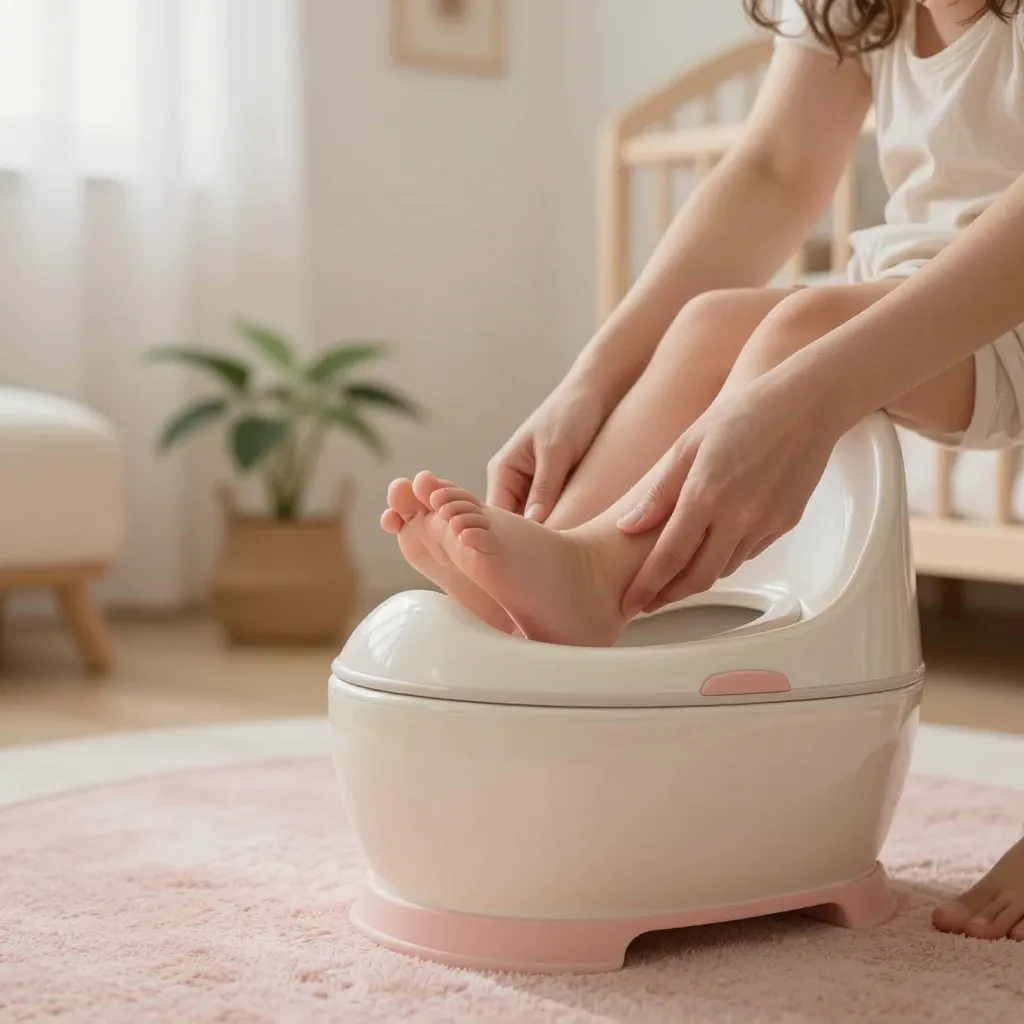
Potty Training, Demystified: A Calm, Step-by-Step Roadmap for Modern Moms
Demystify potty training with a step-by-step framework focusing on child readiness, consistent routines, and realistic expectations. This guide helps modern moms navigate body awareness, accident handling, and regression without pressure.
Potty Training, Demystified: A Calm, Step-by-Step Roadmap for Modern Moms
Few parenting chapters feel as loaded as potty training. One minute you're changing diapers in autopilot mode; the next you're negotiating with a two-foot-tall human who insists underwear is "too spicy." Progress can swing from exhilarating to exasperating in the time it takes to mop the floor.
The good news? Success rarely hinges on finding the single "perfect" method. Instead, it blooms when three things line up:
- Your child's nervous system is mature enough to sense bladder fullness, connect the urge to the bathroom, and hold it long enough to get there.
- The environment is calm, consistent, and low-pressure.
- You, the grown-up, have realistic expectations and a flexible plan.
Below is a field-tested framework you can tailor to your family rhythm—no timers, sticker charts, or cheerio targets required (unless you want them).
1. Readiness: Look for Patterns, Not Age
Most children show signs between 18 and 30 months, but normal variation stretches from before the first birthday to past the third. Watch for:
- A dry diaper for 60–90 minutes at a stretch (shows bladder capacity)
- Interest when you use the toilet ("I go too?")
- Ability to follow two-step commands ("grab the book, then sit")
- Words or signs for "pee," "poop," or "potty"
- Desire to remove a wet or soiled diaper quickly
If travel, a new sibling, or a house move is on the horizon, consider waiting four to six weeks until life feels predictable again. A tiny pause now can prevent weeks of accidents later.
2. Choose Your "Launch Week" Strategically
Block off three to five days when you can stay close to home. Long weekends, vacation days, or a quiet week between daycare terms work well. Clear the calendar of errands, playdates, and grocery runs so your attention stays on body cues, not traffic lights.
3. Pick a Core Style—Then Bend It
A. Gradual Exposure (low pressure)
- Keep diaper on, invite child to sit on potty fully clothed first, then with diaper off, eventually trying bare-bottom.
- Celebrate any cooperation; release expectations of actual output for the first week.
B. Naked "Observation" Method (moderate intensity)
- First day: child wears nothing from waist down while you narrate: "I see you wiggling—let's try the potty."
- Once catches happen in potty, add loose pants (no underwear yet—elastic edges feel like diapers and can confuse).
C. Scheduled Sit + Prompt (structured)
- Offer potty at transition times: upon waking, before/after meals, pre-bath, pre-outing.
- Keep sits short (30–60 seconds). Praise cooperation, not result.
Feel free to blend. Many moms start with naked mornings, switch to scheduled sits before naps, and use pull-ups for afternoon errands once a few successes are under tiny belts.
4. Set Up the Space for Independence
- Place a toddler potty in the main living area for the first week—distance equals accidents.
- Add a second potty in the bathroom once interest grows.
- Keep a small basket nearby with 3–4 wipes, a change of pants, and a towel. Seeing supplies reassures you both.
- Use a sturdy step stool if you opt for a toilet seat reducer; feet should rest flat to relax pelvic muscles.
5. Language that Builds Body Awareness
Swap vague cheers ("good job") for neutral observations:
- "You noticed your body was ready to pee—look, it's coming out."
- "Your poop wants to say goodbye; let's listen to your tummy signal."
This keeps success internal to the child and prevents a power struggle when praise doesn't appear.
6. Bowel Movement Nuances
Poop often lags behind urine control by weeks or months. Reasons: fear of splashing, unfamiliar squat position, or previous painful stool. Counter strategies:
- Offer a footstool under little feet to mimic squat.
- Read a slow, calming book to relax the reflex.
- If withholding lasts more than three days, increase water, pears, flaxseed, and consult your pediatrician before stools become hard and painful.
7. Handling Accidents Without Drama
Accidents are data, not disasters. Respond in three sentences:
- "You were busy building and pee came."
- "Next time you feel the wiggle, we walk together."
- "Let's change into dry pants."
Then move on. Over-apologizing or scolding teaches shame, not skill.
8. Nighttime & Naps: A Separate Track
Overnight dryness relies on antidiuretic hormone rising, a neurological milestone no schedule can speed. If morning diapers are soaked, keep them on. Once they're dry five mornings in a row, try naptime without, then overnight. A waterproof mattress pad and dim night-light make 2 a.m. bathroom trips less disorienting.
9. Regression Is Rehearsal
Illness, new daycare rooms, or a brand-new sibling can trigger a backward slide. Return to basics for 48–72 hours: more frequent prompts, easier clothes, extra cuddles. Most children rebound quickly once security returns.
10. When to Consult a Professional
Reach out to your pediatrician or a pediatric pelvic-floor physical therapist if you notice:
- No progress after four to six consistent months
- Pain, blood, or withholding stools longer than three days
- Sudden urinary frequency, urgency, or daytime wetting after six months of dryness
- Signs of constipation: hard pellets, skid marks, or tummy pain
Quick Reference Timeline (Remember: Ranges Are Normal)
| Age Started | Typical Day-Time Reliability | Night-Time Reliability |
|---|---|---|
| 18–24 m | 4–8 months | Add 6–12 months |
| 24–30 m | 2–5 months | Add 3–9 months |
| 30–36 m | 1–3 months | Add 2–6 months |
Parting Thought
Potty training is less a single milestone than a series of tiny neural upgrades: noticing, holding, releasing, wiping, hand-washing, communicating. Your steady, unruffled presence is the scaffold that lets those upgrades stick. Choose a plan that feels livable, expect curveballs, and remember—every child figures it out eventually. Even if today ends with a mop and a deep breath, tomorrow can still bring a tiny victory dance in the bathroom.