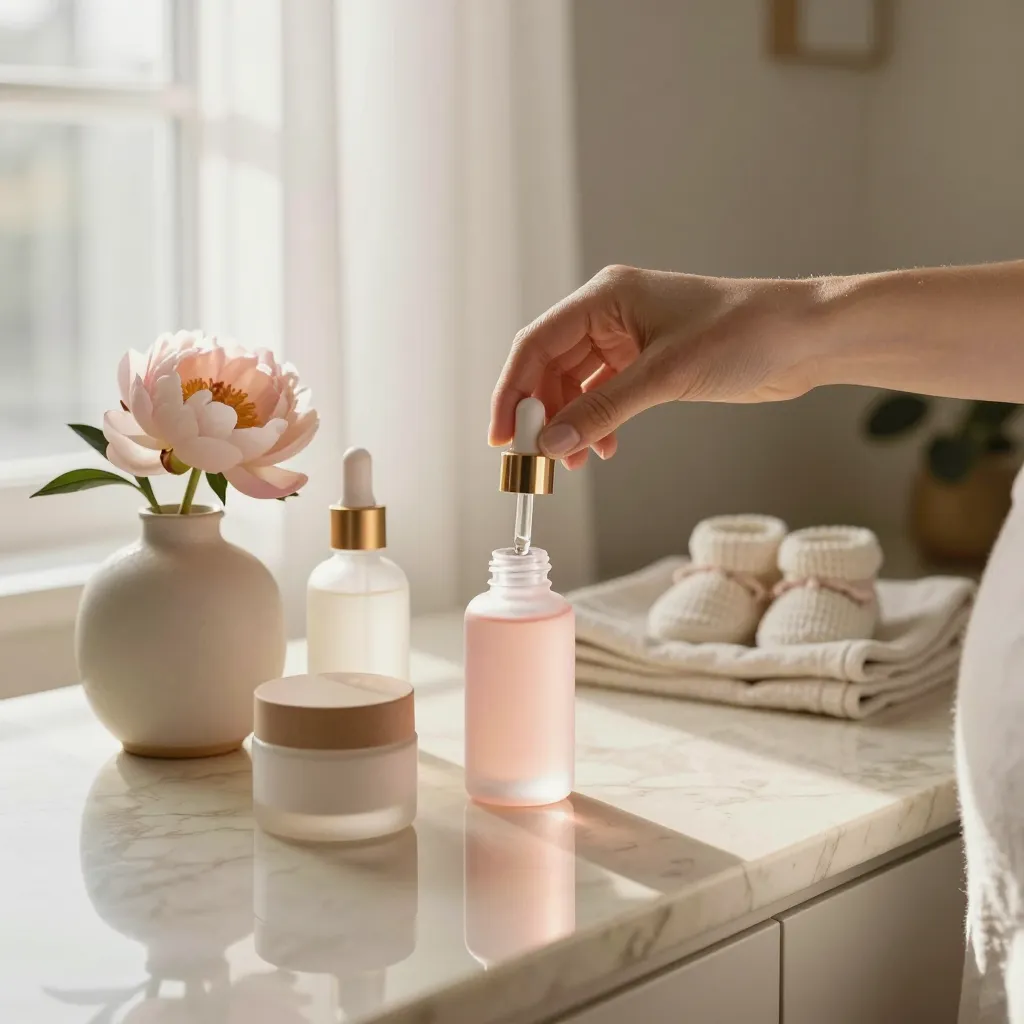
Pregnancy-Safe Skincare: What to Keep, What to Swap, and What Actually Works
Navigating skincare during pregnancy can feel overwhelming with hormonal changes and confusing ingredient lists. This guide breaks down exactly which products to pause—like retinoids and chemical sunscreens—and introduces proven pregnancy-safe alternatives such as bakuchiol and hyaluronic acid. Perfect for expectant mothers who want healthy, radiant skin without compromising their baby's safety.
Pregnancy-Safe Skincare: What to Keep and What to Swap
Pregnancy brings a whirlwind of changes—your body, your sleep, your cravings, and yes, your skin. That carefully curated skincare routine you perfected pre-baby might suddenly feel like a minefield. Hormonal shifts can trigger new sensitivities, unexpected breakouts, or patches of hyperpigmentation you’ve never dealt with before. Meanwhile, the list of ingredients you’re told to avoid seems to grow by the week.
The good news? You don’t have to abandon self-care for nine months. With a few smart swaps and a clear understanding of what’s actually off-limits, you can keep your skin healthy, hydrated, and glowing—without the worry.
Ingredients to Pause During Pregnancy
Not every skincare ingredient is absorbed deeply enough to reach your bloodstream, but some carry enough documented risk that dermatologists and obstetricians recommend steering clear while pregnant. Here are the key ones to know:
Retinoids (Retinol, Tretinoin, Isotretinoin)
Vitamin A derivatives are powerhouse ingredients for acne and anti-aging, but high doses of vitamin A are linked to serious risks during pregnancy—including miscarriage, premature birth, and fetal developmental issues. This applies to both oral and topical forms, so it’s safest to pause all retinoid use until after delivery and breastfeeding.
Salicylic Acid and Benzoyl Peroxide
These acne fighters are generally considered safe in small, topical amounts, but experts caution against high concentrations, oral forms, or overuse across large areas of skin. If pregnancy acne is bothering you, stick to low-strength spot treatments and check in with your provider.
Chemical Sunscreens
Mineral sunscreens with zinc oxide or titanium dioxide are your best bet right now. Many chemical filters—especially oxybenzone—are suspected hormone disruptors. A mineral formula sits on top of the skin rather than absorbing into it, making it a safer choice for daily wear.
Hydroquinone
Used for lightening dark spots and melasma, hydroquinone has an unusually high skin absorption rate (35–45%). Because it enters the bloodstream more readily than most topical agents, minimizing or avoiding it during pregnancy is the prudent choice.
Parabens and Phthalates
These preservatives and plasticizers show up in everything from moisturizers to cosmetics. Research suggests parabens may be associated with pregnancy-related blood pressure issues, while phthalates are known endocrine disruptors. Scan labels for these when restocking your routine.
The “Natural” Skincare Trap
It’s tempting to assume that “natural,” “organic,” or “clean” labels equal automatic safety during pregnancy. But those terms are largely unregulated marketing language—not guarantees of gentleness or efficacy.
Natural products can still trigger allergic reactions, irritation, or photosensitivity, especially when your skin is already more reactive. Essential oils, for example, are highly concentrated plant compounds that can cause rashes or sun sensitivity when applied directly to skin.
If you’re drawn to plant-based formulas, that’s perfectly fine—just introduce them one at a time, patch test first, and loop in your healthcare provider if your skin has been unusually sensitive.
Pregnancy-Safe Alternatives That Actually Work
You don’t need retinol to maintain healthy, vibrant skin. Several well-studied ingredients offer comparable benefits without the associated risks:
Bakuchiol
A plant-derived compound that mimics retinol’s effects on fine lines, texture, and collagen production—without the irritation or safety concerns. It’s gentle enough for daily use and suitable for sensitive skin.
Vitamin C
Excellent for brightening dull skin, fading dark spots, and supporting collagen synthesis. A stable vitamin C serum used in the morning (followed by mineral sunscreen) can help counter pregnancy-related hyperpigmentation.
Hyaluronic Acid
This hydrating molecule holds up to 1,000 times its weight in water, making it ideal for plumping dry or tired-looking skin. It’s completely safe during pregnancy and layers well under moisturizers or makeup.
Glycolic Acid (in Moderation)
At low concentrations, this alpha-hydroxy acid can help with texture, congestion, and radiance. Stick to gentle formulations and avoid combining with other strong actives to prevent over-exfoliation.
Building a Simple, Safe Routine
You don’t need a ten-step regimen. A streamlined approach reduces the chance of irritation and makes it easier to spot what’s working:
- Cleanse with a mild, fragrance-free face wash
- Treat with one active ingredient suited to your concern (vitamin C for brightness, bakuchiol for texture, etc.)
- Hydrate with a hyaluronic acid serum or gentle moisturizer
- Protect every morning with a mineral SPF 30 or higher
If you’re dealing with melasma (the “mask of pregnancy”), prioritize sun protection above all else—UV exposure worsens those dark patches significantly.
When to Check In With a Professional
Every pregnancy is different, and skin can behave unpredictably. If you’re experiencing severe acne, painful rashes, or sudden reactions to products you previously tolerated, a dermatologist or your prenatal care provider can help you navigate safe treatments. There’s no substitute for personalized guidance when your body is changing this rapidly.
The Bottom Line
Pregnancy skincare isn’t about perfection—it’s about making informed, gentle choices that protect both you and your baby. By sidestepping a handful of high-risk ingredients and embracing proven, pregnancy-safe alternatives, you can maintain a routine that feels good and does good. Your skin may change, but your ability to care for it thoughtfully doesn’t have to.