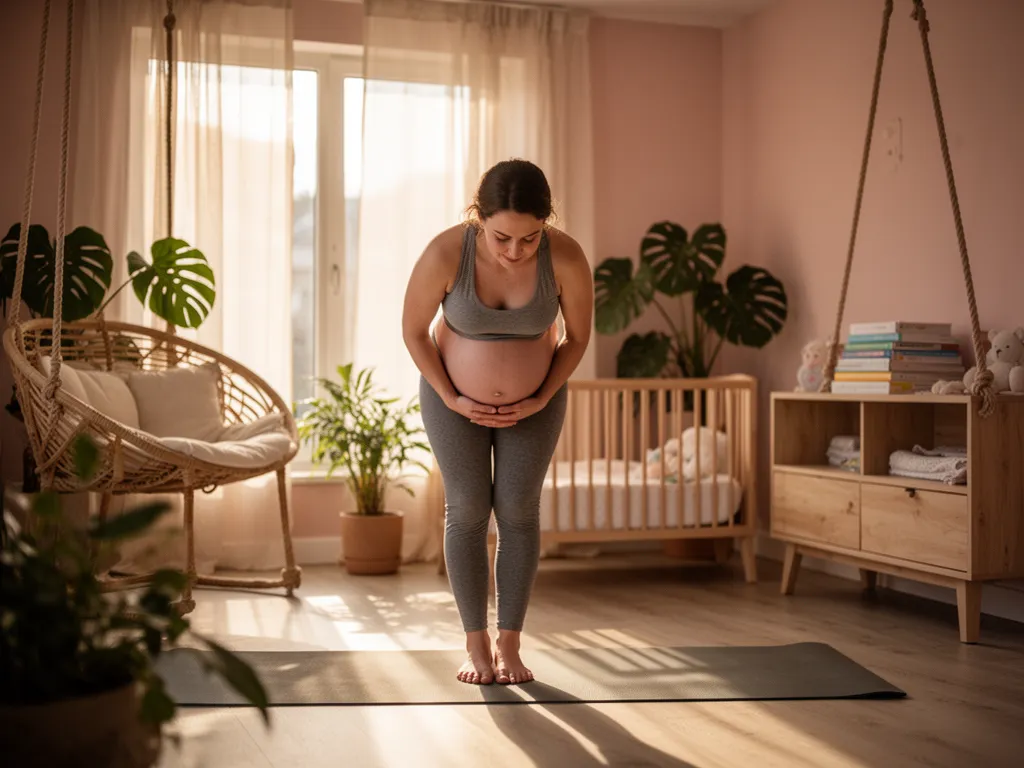
The New Rules of Prenatal Fitness: Moving Through Pregnancy with Confidence
Gone are the days of 'rest only' pregnancy advice. Science now shows that regular movement reduces gestational diabetes, eases postpartum recovery, and cuts anxiety by one-third. Whether you're a fitness newbie or seasoned athlete, discover how to adapt your routine through every trimester while honoring your changing body.
The New Rules of Prenatal Fitness: Moving Through Pregnancy with Confidence
For decades, the message to pregnant women was simple: rest, relax, and take it easy. But modern research has completely rewritten the script on exercise during pregnancy. What was once viewed with caution is now recognized as one of the most powerful tools for maternal and fetal health—provided it's approached with knowledge, intuition, and respect for your changing body.
A Radical Shift in Medical Guidance
The transformation in how we view pregnancy and movement happened remarkably fast. Less than forty years ago, doctors universally advised pregnant women to minimize physical exertion. The first formal exercise guidelines from major medical organizations didn't appear until the mid-1980s, and even then, they were built more on caution than concrete evidence.
That early guidance included arbitrary limits—like the famous "140 beats per minute" heart rate cap—that had no scientific foundation. Physicians essentially selected numbers that felt safe rather than numbers proven safe. These restrictions persisted in medical offices and public consciousness long after research debunked them, creating a lingering atmosphere of fear around prenatal fitness.
Today, leading obstetric organizations actively encourage most low-risk pregnant individuals to maintain aerobic and strength-conditioning routines throughout pregnancy and into the postpartum period. The recommended target mirrors general adult guidelines: approximately 150 minutes of moderate-intensity activity weekly, supplemented with muscle-strengthening exercises.
What Science Now Reveals
The body of research supporting prenatal exercise has exploded in recent years, revealing benefits that extend far beyond simple fitness maintenance.
Physical health advantages include reduced risk of gestational diabetes, preeclampsia, preterm delivery, and cesarean birth. Regular movers often experience less back pain, improved digestion, better cardiovascular function, and easier postpartum recovery. Some even find that gentle activity helps manage first-trimester nausea.
Mental health impacts are equally significant. Studies suggest that maintaining physical activity can reduce depression and anxiety risk by roughly one-third compared to sedentary control groups. Given that pregnancy often amplifies worry and emotional volatility, this psychological buffer proves invaluable for many expectant parents.
Fetal benefits operate through multiple pathways. Exercise-induced endorphins help mitigate maternal stress—a known contributor to preterm birth. The improved placental blood flow and metabolic environment associated with regular movement may support healthier fetal development.
Understanding Your Transformed Body
Pregnancy triggers profound physiological changes that fundamentally alter how movement feels and functions. Recognizing these shifts helps set realistic expectations and prevents frustration or injury.
Cardiovascular changes mean your resting heart rate naturally increases, and your heart works harder pumping nearly double your normal blood volume. Activities that once felt effortless may now elevate your pulse significantly. This isn't dangerous—it's your body performing the remarkable feat of supporting two circulatory systems simultaneously.
Hormonal fluctuations, particularly elevated relaxin levels, loosen ligaments and joints to accommodate growing uterine size and prepare for delivery. While essential for birth, this increased laxity can destabilize ankles, hips, and the pelvic girdle, raising injury risk during activities requiring balance or rapid direction changes.
Mechanical adjustments shift your center of gravity forward as your abdomen expands. Balance becomes trickier, and lying flat on your back may compress major blood vessels, causing breathlessness or dizziness. Side-lying positions and supportive garments like belly bands often improve comfort during activity.
Energy variability follows trimester patterns. The first trimester frequently brings crushing fatigue despite adequate rest. The second often delivers renewed vigor. The third may introduce new limitations as body size and pelvic pressure increase. These fluctuations are normal, not personal failures.
Finding Your Personal Movement Prescription
Despite evolving guidelines, no universal formula exists for the "perfect" pregnancy workout. Individual factors—pre-pregnancy fitness level, pregnancy complications, body type, and personal preferences—create infinite variation in what works.
For established exercisers, continuing familiar routines often makes sense if no complications arise. The body adapts gradually to maintained stressors. Elite athletes have competed at Olympic levels while pregnant, and recreational runners frequently train through all three trimesters. The key signal is how you feel: activities causing pain, excessive breathlessness, or concerning symptoms warrant modification.
For fitness newcomers, pregnancy offers an excellent opportunity to build healthy habits, provided progression remains conservative. Starting with walking, prenatal yoga, swimming, or gentle strength training establishes foundations without overwhelming an adapting system.
For those with complications, individualized medical guidance becomes essential. Certain conditions genuinely contraindicate specific activities, though research continues challenging assumptions about which diagnoses truly prohibit movement. Even with restrictions, modified activity often remains possible and beneficial.
Navigating Cultural Noise
Modern pregnancy exists within a paradoxical environment: we simultaneously face outdated fears about exertion and intense pressure to maintain "perfect" prenatal fitness. Social media floods us with images of pregnant women completing marathons, performing advanced yoga inversions, or displaying visible abdominal muscles at eight months.
This visibility creates unrealistic expectations. Some women feel guilty for resting when nausea overwhelms them. Others push through pain to avoid appearing "lazy." Neither extreme serves maternal or fetal wellbeing.
The truth occupies a spacious middle ground. Movement matters, but movement looks different for every body and every pregnancy. Some days, a twenty-minute walk represents triumph. Other days, gentle stretching or simply running errands counts as activity. The goal isn't performance—it's consistent, enjoyable engagement that supports rather than depletes.
Practical Strategies for Prenatal Movement
Prioritize intuition over metrics. Heart rate monitors and fitness trackers provide data, but perceived exertion often proves more reliable during pregnancy. If an activity feels sustainable and comfortable, it likely is. If it feels strained or wrong, it probably is.
Embrace variety. Combining aerobic activity, strength work, flexibility training, and restorative practices addresses pregnancy's diverse physical demands. Water-based exercise particularly shines, supporting body weight while providing resistance.
Modify rather than abandon. As pregnancy progresses, adjust impact levels, reduce intensity, shorten duration, or substitute positions. Supine exercises transition to side-lying or inclined. High-impact options give way to lower-impact alternatives. These adaptations maintain benefits while accommodating changing biomechanics.
Build your support team. Seek prenatal-certified fitness professionals, pelvic floor physical therapists, and healthcare providers who understand modern exercise science. Their expertise helps navigate specific concerns and optimize your movement plan.
Prepare for postpartum continuity. The movement habits established during pregnancy create easier transitions into postpartum recovery. Gentle return to activity, typically beginning with walking and pelvic floor rehabilitation, builds gradually toward previous fitness levels.
The Deeper Purpose
Beyond physical benefits, prenatal exercise offers something less measurable but equally vital: a sense of agency during a life phase characterized by profound uncertainty. When so much feels outside your control—how your body changes, what symptoms appear, how delivery unfolds—movement returns power to your hands.
Putting one foot in front of another, feeling strength in your limbs, connecting with your breath: these simple acts ground you in your body's wisdom. They remind you that you remain capable, resilient, and present even as everything transforms.
The research is clear: for most pregnant individuals, regular movement is not just safe but protective. The challenge now lies not in proving exercise's value but in helping every expectant parent find their personal path to joyful, sustainable activity—free from outdated fears, free from unrealistic expectations, and firmly rooted in self-compassion.