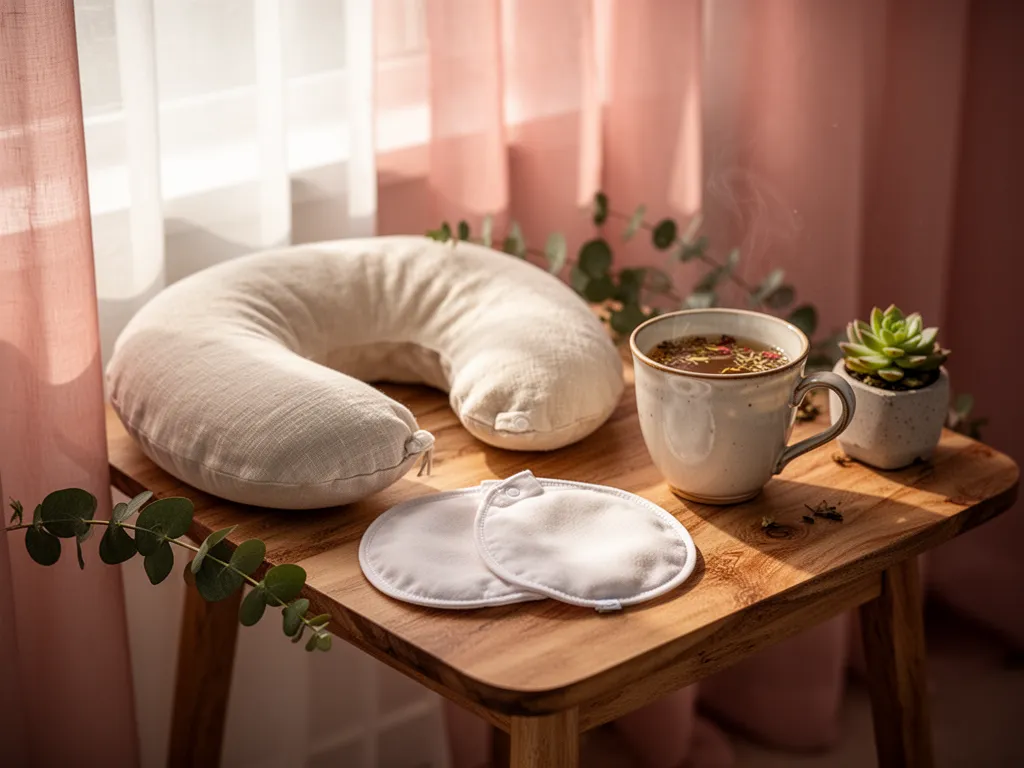
The Complete Guide to Reusable Nursing Pads: Sustainable Comfort for Breastfeeding Moms
Reusable nursing pads offer a sustainable, cost-effective alternative to disposables for breastfeeding moms. Made from soft organic cotton, bamboo, or merino wool, they provide superior comfort, better breathability, and reliable leak protection while reducing environmental waste and saving money throughout your nursing journey.
The Complete Guide to Reusable Nursing Pads: A Sustainable Choice for Breastfeeding Moms
Breastfeeding is a beautiful, intimate experience—but it comes with its fair share of practical challenges. Between establishing supply, managing feeding schedules, and navigating the emotional rollercoaster of early motherhood, the last thing you need is milk-stained shirts and constant wardrobe changes.
That's where nursing pads come in. These small, absorbent discs slip inside your bra to catch leaks between feedings, protecting your clothing and your confidence. While disposable options have long dominated the market, reusable nursing pads have emerged as a gentler, more sustainable alternative that aligns with the values many modern parents hold dear.
Why Choose Reusable Nursing Pads?
The decision to go reusable extends beyond environmental consciousness—though that's certainly a compelling factor. Consider the math: a single breastfeeding journey might require hundreds of disposable pads, each destined for landfill. Reusable pads, by contrast, can withstand dozens of wash cycles, dramatically reducing waste without compromising function.
Beyond sustainability, many parents find reusables more comfortable against sensitive skin. Crafted from natural fibers like organic cotton, bamboo viscose, or merino wool, these pads breathe better than their plastic-backed disposable counterparts. They're less likely to cause irritation, trap heat, or create that clammy sensation that can exacerbate sore nipples.
There's also the cost equation. While the upfront investment is higher, a quality set of reusable pads typically pays for itself within weeks when compared to ongoing disposable purchases.
What to Look For in Reusable Nursing Pads
Not all reusable pads are created equal. As you evaluate options, consider these key factors:
Absorbency and Layers – Effective pads typically feature multiple layers: a soft, moisture-wicking top layer against the skin, an absorbent core (often bamboo or cotton), and a waterproof or leak-resistant backing to protect clothing. Some designs incorporate additional layers for overnight or heavy-flow situations.
Shape and Fit – Contoured, cup-shaped designs tend to stay in place better than flat discs, conforming to your breast shape and moving with you. Look for pads with a diameter of 4.5–5 inches for adequate coverage without bulk.
Material Quality – Organic certifications matter if you're concerned about pesticide residues. Bamboo viscose offers exceptional softness and absorbency; merino wool provides natural temperature regulation and can absorb significant moisture while feeling dry to the touch.
Care Requirements – Most reusable pads are machine-washable, but some require air-drying to maintain their waterproof backing. Consider whether the care routine fits realistically into your current capacity—new parenthood is demanding enough without high-maintenance laundry requirements.
Pack Size – You'll need enough pads to rotate through several changes daily while others are in the wash. A minimum of 6–8 pairs (12–16 individual pads) provides reasonable coverage for most parents.
Popular Styles and Their Best Uses
Everyday Basics – Standard contoured pads in organic cotton or bamboo work beautifully for daily wear under regular clothing. They're discreet, comfortable, and handle moderate leakage with ease.
Ultra-Thin Options – For wearing under fitted tops or thin fabrics, slimmer three-layer designs minimize visibility while still providing protection. These often incorporate advanced moisture-wicking technology to compensate for reduced bulk.
Overnight Pads – Larger, more absorbent versions designed specifically for sleep accommodate the heavier leakage many experience during prolonged stretches between feedings. These are typically round rather than contoured and offer maximum coverage.
Wool Pads – Merino wool options appeal to parents prioritizing natural materials and temperature regulation. Wool can absorb up to 40% of its weight in moisture without feeling wet, making it uniquely comfortable for sensitive skin.
Multi-Pack Variety Sets – Some brands offer combination packs with different sizes or thicknesses, allowing you to match the pad to your activity and outfit.
Caring for Your Reusable Nursing Pads
Proper care extends the life of your pads and maintains their effectiveness:
- Rinse promptly after use if heavily saturated, to prevent staining and odor buildup
- Wash in mesh laundry bags to prevent pads from disappearing in the machine or losing their shape
- Use gentle, fragrance-free detergent to avoid residue that might irritate nursing skin
- Avoid fabric softeners, which can reduce absorbency by coating fibers
- Air-dry when possible, or tumble dry on low if the care instructions permit
Many parents find it helpful to designate a small wet bag for soiled pads when out of the house, keeping them separate from clean items until laundry day.
Do You Actually Need Nursing Pads?
For many breastfeeding parents, nursing pads fall into the "essential" category rather than "optional." Even with established supply and regular feeding schedules, leakage happens—often unpredictably. Let-down reflexes can be triggered by hearing any baby cry, by thoughts of your little one, or simply by hormonal fluctuations.
Beyond the practical protection against wardrobe mishaps, there's a psychological benefit. The confidence of knowing you're protected allows you to focus on your day (and your baby) rather than constantly checking for dampness. For those experiencing sore or cracked nipples, keeping moisture away from damaged skin supports healing and prevents further irritation.
That said, not everyone leaks significantly. Some parents find they need pads only in the early weeks while supply regulates, or only during nighttime hours. Others rely on them throughout their entire breastfeeding journey. There's no universal requirement—only what supports your comfort and peace of mind.
Integrating Nursing Pads Into Your Routine
Building sustainable habits around breastfeeding supplies can reduce mental load during an already demanding time:
Create change stations – Stash pads wherever you might need them: the nursery, your bedside, the diaper bag, your workplace pumping station, and the car. Having supplies accessible prevents that frantic search when you realize you need a fresh pair.
Establish a laundry rhythm – Whether daily or every few days, consistent washing prevents running out of clean pads at inconvenient moments. Many parents find washing nursing pads with baby clothes or cloth diapers (if using) creates an efficient routine.
Rotate your stash – Like any fabric item subjected to frequent washing, nursing pads gradually wear down. Having a larger collection allows you to rotate through them evenly, extending the lifespan of each pad.
Complementary Breastfeeding Comfort Items
While nursing pads address leakage, they're just one piece of the comfort puzzle. Consider how they integrate with other breastfeeding supports:
Nipple creams and balms – Many reusable pads work well with lanolin or plant-based nipple treatments, absorbing any excess while protecting clothing. Some wool pads are specifically designed to be worn with balms.
Nursing bras and tanks – Pads fit most comfortably in bras with enough structure to hold them in place without compression. Seamless styles often accommodate pads discreetly.
Breast pump accessories – If you're pumping, you may find you need different absorbency levels on pumping days versus nursing-only days, as supply and leakage patterns can vary.
Making the Sustainable Choice Work for You
Transitioning to reusable nursing pads represents a small but meaningful shift toward sustainable parenting. It's a choice that respects both your baby's future environment and your family's budget, without sacrificing the practical support you need during breastfeeding.
The key is finding the right match for your specific situation—your leakage patterns, your wardrobe preferences, your laundry capacity, and your skin sensitivities. What works beautifully for one parent may not suit another, and that's perfectly normal. Motherhood rarely offers one-size-fits-all solutions.
Start with a modest set to test what feels comfortable, then expand your collection once you've identified your preferences. With proper care, quality reusable pads will serve you through this breastfeeding journey and potentially beyond, whether saved for a future child or passed along to another nursing parent.
In the beautiful, messy, rewarding reality of breastfeeding, reusable nursing pads offer one small corner of predictability: protection you can count on, choices you can feel good about, and one less thing to worry about as you navigate this profound season of connection with your baby.