Do Babies With RSV Sleep Longer? Comfort Is the Key to Recovery
RSV affects nearly all children by age two, causing sleep disruptions that worry exhausted parents. This guide explains why some babies sleep longer during illness while others struggle to rest, plus practical comfort strategies—from humidity control to safe positioning—that help your little one recover while giving you peace of mind.
Understanding Sleep and RSV in Young Children: A Guide for Worried Parents
The instinct to check on a sleeping sick child is nearly universal among parents. When a little one finally drifts off after hours of coughing and congestion, the relief is often mixed with anxiety—is this normal sleep, or something to worry about?
Respiratory syncytial virus (RSV) affects nearly all children by their second birthday, yet each experience varies widely. Some toddlers bounce back with nothing more than a persistent runny nose. Others struggle with significant breathing difficulties that disrupt rest for days. Understanding how sleep patterns shift during illness can help parents distinguish between healing rest and warning signs requiring medical attention.
Why Sleep Matters During RSV Recovery
Sleep serves as the body's primary repair mechanism. During deep sleep, the immune system releases proteins called cytokines that help fight infection and inflammation. For a child battling RSV, quality rest directly supports recovery.
However, the very symptoms that make rest essential also make it elusive. Nasal congestion forces mouth breathing, which dries airways and triggers coughing. Postnasal drip worsens when lying flat, creating cycles of waking and discomfort. Fever can cause restless, fragmented sleep or unusual drowsiness.
Rather than viewing sleep disruption as a problem to solve immediately, consider it expected during the first three to four days of illness. The goal shifts from perfect sleep schedules to maximizing comfort during available rest periods.
Creating a Rest-Friendly Environment
Hydration forms the foundation of comfort. Well-hydrated mucus remains thinner and easier to clear, reducing nighttime coughing fits. For infants, this means continuing regular breast milk or formula feedings—sick babies often want smaller, more frequent meals. Older children benefit from water, diluted juice, or warm broth offered consistently throughout the day.
Physical comfort measures make measurable differences in sleep quality:
- Nasal care before bedtime: Saline drops followed by gentle suction (for infants) or nose blowing (for older children) clears passages before sleep attempts
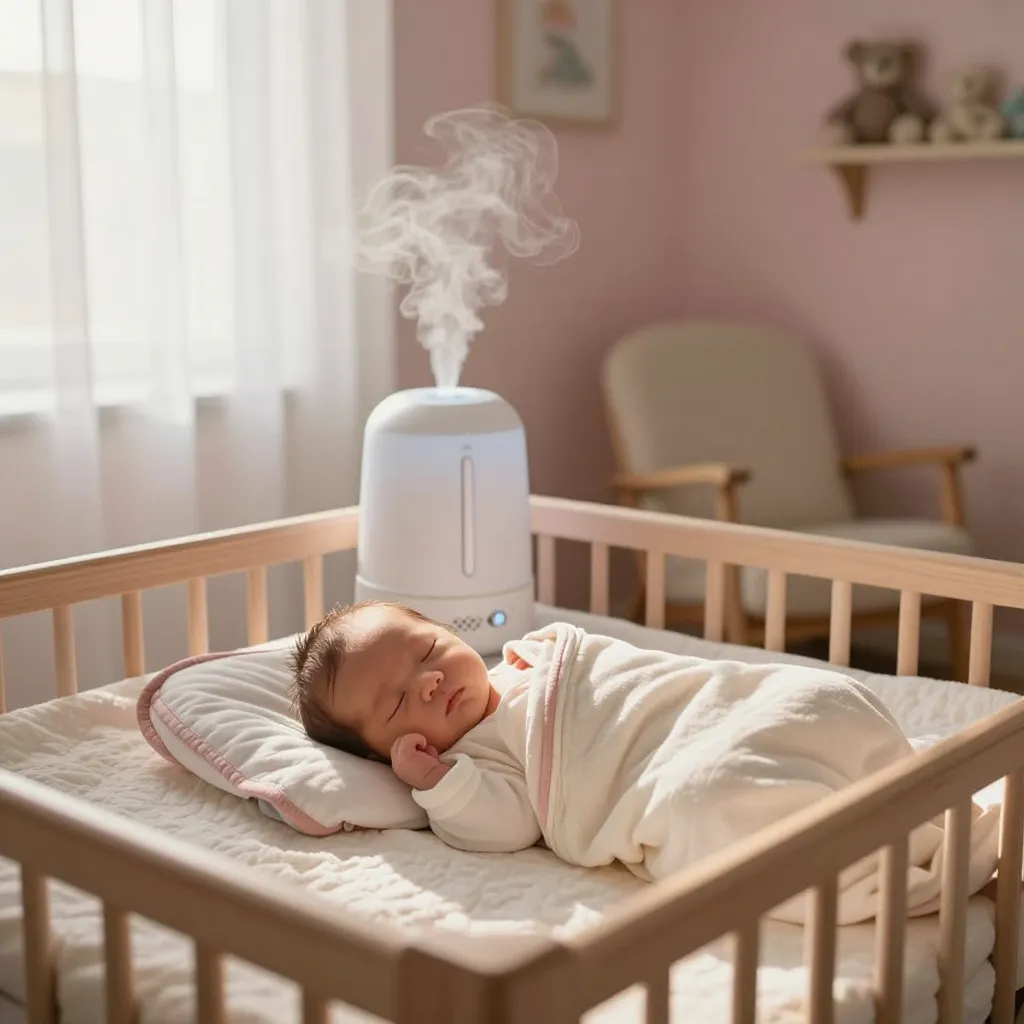
- Humidity management: A cool-mist humidifier in the bedroom adds moisture to dry winter air, soothing irritated nasal passages and airways
- Fever management: Age-appropriate acetaminophen or ibuprofen reduces fever-related discomfort when used according to pediatric guidelines
Positioning requires age-specific consideration. Infants must remain on firm, flat surfaces without elevation, pillows, or loose bedding—safe sleep guidelines do not change during illness. Once a child transitions to a toddler bed, additional pillows or slight head elevation may improve drainage and comfort.
Recognizing Normal Versus Concerning Sleep Changes
Every child has a unique sleep baseline. A child who typically sleeps ten hours nightly and extends to eleven during illness demonstrates normal healing behavior. The same eleven hours from a child who usually resists sleep and averages seven hours warrants closer observation.
Evaluate sleep changes within the context of waking behavior. A child who sleeps longer than usual but wakes alert, interested in gentle play, and accepts fluids likely needs that extra rest for recovery. Concerning patterns include:
- Difficulty waking or extreme lethargy when awake
- Persistent irritability that comfort measures cannot resolve
- Refusing fluids or showing decreased urination (fewer than three wet diapers daily for infants, or dark, infrequent urine in older children)
- Rapid breathing or visible chest retractions during sleep
When Medical Evaluation Becomes Necessary
Home monitoring remains appropriate when a child breathes comfortably while awake, maintains reasonable fluid intake, and shows periods of normal activity between rest. Specific thresholds guide escalation:
- Infants under three months: Any fever of 100.4°F (38°C) or higher requires same-day medical evaluation due to infection risk
- Children under two years: Fever persisting beyond 24 hours warrants pediatric assessment
- Children over two years: Fever extending past three days suggests possible secondary infection requiring examination
- Any age: Immediate emergency care for blue-tinged lips or fingernails, grunting sounds with breathing, or chest retractions that do not improve with positioning
The Emotional Reality for Caregivers
Caring for a sick child while managing personal sleep deprivation tests even the most resilient parents. The combination of worry, interrupted nights, and the helplessness of watching a child struggle creates significant emotional strain.
Acknowledging this difficulty matters. Recovery timelines for RSV typically span one to two weeks, with the most intense symptoms concentrated in days three through five. This knowledge helps parents anticipate the arc of illness rather than fearing each day will mirror the worst night.
Trusting a child's body to heal while maintaining vigilant observation represents the balancing act of illness management. The days feel long, but the season passes—and rest, both the child's and the parent's eventually returns.