Safe Bug Repellents for Babies & Toddlers: Pediatrician-Backed Guide
This pediatrician-backed guide lists the safest bug sprays for babies and toddlers, explains age restrictions, and shows parents how to combine clothing, timing, and kid-safe repellents to prevent mosquito and tick bites without toxic exposure.
Safe Bug Repellents for Babies and Toddlers: A Parent's Guide
When the weather warms up and your little one wants to explore the outdoors, keeping them protected from insect bites becomes a top priority. Mosquitoes, ticks, and other biting insects are more than just annoying—they can carry diseases like West Nile virus and Lyme disease. But finding the right bug protection for babies and toddlers requires careful consideration of both safety and effectiveness.
Understanding Insect Repellent Safety for Young Children
Before reaching for any bug spray, it's important to understand what health experts recommend for different age groups.
For infants under 2 months: The American Academy of Pediatrics (AAP) and Centers for Disease Control and Prevention (CDC) advise against using any insect repellents on newborns this young. Instead, rely on physical barriers like mosquito netting over strollers and carriers, long-sleeved clothing, and keeping them indoors during peak mosquito hours (dusk and dawn).
For babies 2 months and older: You can begin using EPA-registered repellents, but with important restrictions. DEET concentration should be kept as low as possible while still being effective—never exceeding 30%. Picaridin at 5-10% concentration is another option approved for this age group.
Important age restrictions: Oil of lemon eucalyptus (OLE) and its synthetic version PMD should not be used on children under 3 years old. Many parents assume "natural" means "safe," but essential oils like citronella, eucalyptus, peppermint, and tea tree can actually irritate young skin and aren't recommended for babies and toddlers.
How to Apply Bug Repellent Safely
Getting the protection right matters just as much as choosing the right product. Follow these guidelines from pediatric safety experts:
- Apply in open air: Use repellents outdoors or in well-ventilated areas to avoid inhaling fumes
- Choose the right format: Sticks, lotions, and pump sprays are preferable to aerosol sprays
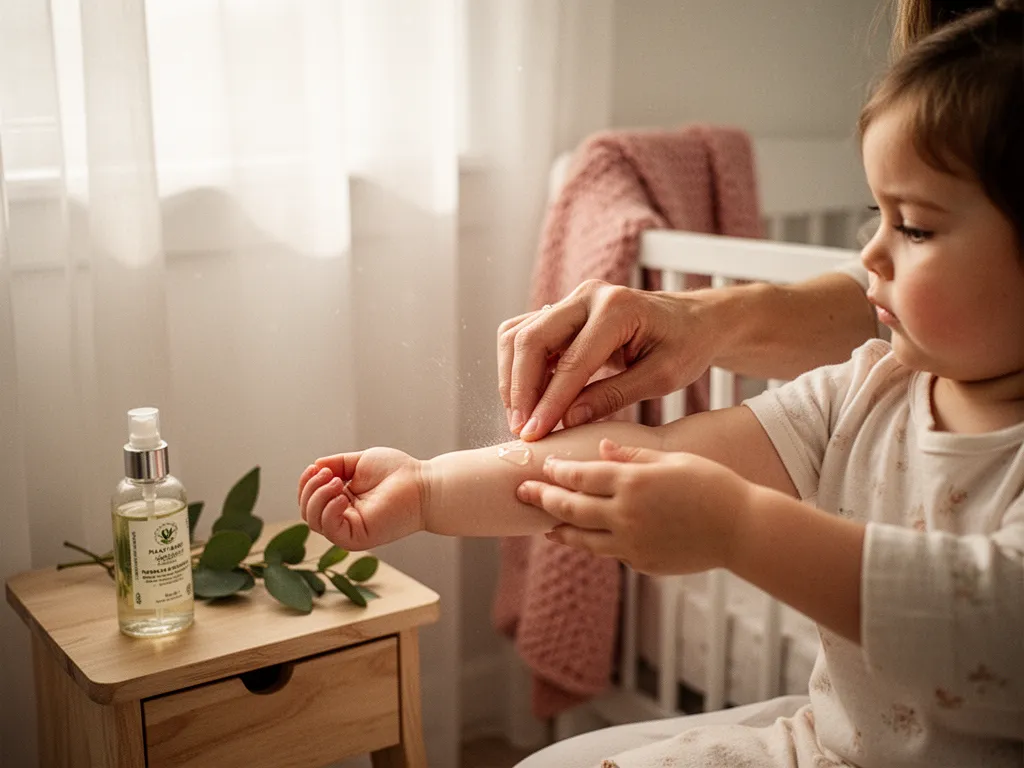
- Hands first, child second: Apply to your own hands, then gently rub onto your child's exposed skin
- Avoid direct spraying: Never spray directly onto your child's face or body
- Keep products separate: Don't use combination sunscreen-repellent products, as sunscreen needs more frequent reapplication
- Clean up afterward: Wash treated clothing before wearing again and give your child a bath after coming indoors
Types of Bug Protection for Little Ones
Skin-Applied Repellents
Lotions and creams often work well for squirmy toddlers who dislike sprays. They allow for controlled application and tend to last longer than sprays. Look for fragrance-free options if your child has sensitive skin.
Roll-on applicators provide another alternative for children who resist sprays. The controlled application helps ensure coverage without overwhelming your child with mist.
Pump sprays (non-aerosol) are acceptable when used correctly—sprayed into hands first, then applied to skin.
Non-Skin Alternatives
For parents who prefer to avoid skin-applied chemicals entirely, several options exist:
Clip-on repellents attach to strollers, diaper bags, or clothing to create a protective zone around your child without touching their skin. These typically use natural repellents and last several weeks.
Repellent bracelets and wristbands made from silicone or fabric can provide a barrier of protection, especially when combined with other methods. Choose toxin-free materials that won't irritate sensitive skin.
Patches and stickers featuring fun designs can make bug protection feel like a game while delivering repellent benefits. These often use plant-based ingredients and can be applied to clothing rather than skin.
Building Your Bug Protection Strategy
The most effective approach combines multiple methods:
Dress appropriately: Light-colored, long-sleeved clothing and pants provide physical protection. Tuck pants into socks when in grassy or wooded areas to prevent tick access.
Time your outings: Mosquitoes are most active at dawn and dusk. Plan outdoor play for mid-morning or afternoon when possible.
Eliminate standing water: Remove sources of stagnant water around your home where mosquitoes breed.
Use screens and nets: Ensure window screens are intact and use mosquito netting over outdoor play areas when appropriate.
Check for ticks: After outdoor play in grassy or wooded areas, thoroughly check your child's body for ticks—paying special attention to behind the ears, along the hairline, under arms, and behind knees.
When to Seek Medical Advice
While insect bites are usually harmless annoyances, certain situations warrant medical attention:
- Signs of allergic reaction: difficulty breathing, swelling of the face or throat, widespread hives
- Tick attachment lasting more than 24 hours
- Development of a bullseye rash or fever following a tick bite
- Signs of infection at a bite site: increasing redness, warmth, swelling, or pus
Creating Peace of Mind
Protecting your baby or toddler from bugs doesn't have to be stressful. By understanding age-appropriate options, following safe application practices, and combining multiple protection methods, you can let your little one enjoy outdoor exploration while keeping biting insects at bay.
Remember that every child is different—what works for one family may not work for another. Trust your instincts, consult your pediatrician if you have concerns, and adjust your approach as your child grows and their needs change.