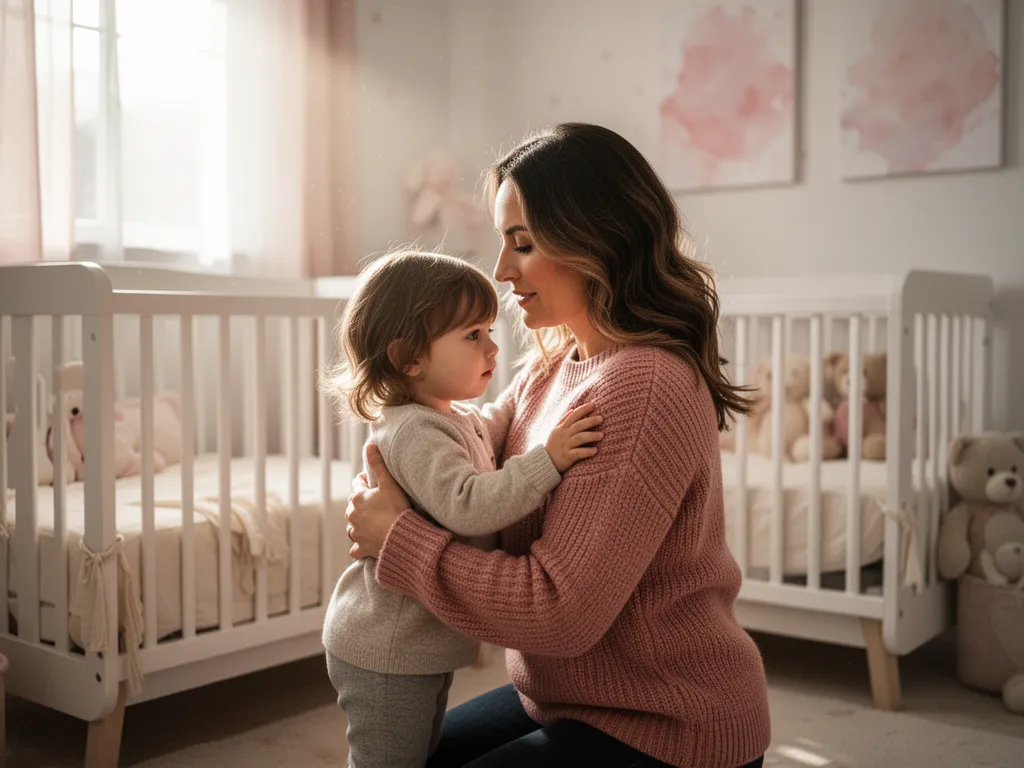
Understanding Separation Anxiety in Toddlers: A Guide to Gentle Transitions
Separation anxiety is a normal part of toddler development, but it can be tough for parents to navigate. This guide explains why it happens, what triggers it, and offers practical strategies—like goodbye rituals and transitional objects—to help your child feel secure during separations.
Understanding Separation Anxiety in Toddlers: A Guide to Gentle Transitions
Separation anxiety is a natural and expected phase of emotional development. While it can be heart-wrenching to leave a child who is clinging to your leg or crying for you to stay, these reactions are actually signs of a healthy attachment. Understanding why this happens and how to manage the transition can help both you and your toddler navigate this stage with more confidence.
What is Separation Anxiety?
Separation anxiety typically peaks between 10 and 18 months, though it can persist or resurface throughout the toddler years. It occurs as children begin to understand that they are individuals separate from their caregivers, yet they do not yet have a firm grasp of time or the concept of "object permanence"—the realization that you still exist even when you are out of sight.
In the mind of a toddler, when you walk out the door, you are gone. They don't yet understand that "I'll be back after nap time" means you will return in a few hours. This uncertainty triggers a survival instinct, leading to tears, tantrums, or clinginess.
Common Triggers for Anxiety
While development is the primary driver, certain factors can intensify a toddler's distress during goodbyes:
- Fatigue or Hunger: A tired or hungry child has fewer emotional resources to handle the stress of a transition.
- Changes in Routine: Moving to a new house, the arrival of a new sibling, or a change in childcare providers can make a child feel less secure.
- Stress at Home: Toddlers are highly perceptive and can pick up on tension or stress felt by their parents.
- Developmental Leaps: Often, a surge in separation anxiety coincides with learning a new skill, like walking or talking, as the brain focuses on processing new information.
Strategies for Smoother Goodbyes
Creating a sense of safety and predictability is the most effective way to ease separation anxiety. Here are practical steps to help your child feel more secure:
1. Establish a Consistent Goodbye Ritual
Routine provides comfort. Create a short, simple sequence of actions that you do every time you leave. This might include a special "secret" handshake, a specific phrase like "I love you, I'll be back," and one final hug. Keeping the ritual brief prevents the buildup of tension.
2. Practice Short Departures
If your child struggles with even brief moments away, practice in a safe environment. Leave the room for a minute and return before they become distressed. Gradually increase the duration of these "mini-separations" to build their "trust muscle."
3. Maintain a Calm Demeanor
Children look to their parents for cues on how to react. If you appear anxious, guilty, or upset during the goodbye, your toddler will assume there is something to fear. Even if you feel emotional, try to maintain a calm, upbeat, and confident expression.
4. Never Sneak Away
It is tempting to slip out of the room while your toddler is distracted, but this can damage their trust. If they turn around and find you gone, it reinforces the fear that you might disappear at any second. Always say goodbye, even if it results in a brief cry.
Supporting the Emotional Transition
Validation is a powerful tool in child development. Acknowledge your child’s feelings without dismissing them. Phrases like, "I see that you are sad that I'm leaving, and it's okay to miss me," help the child feel understood.
To help bridge the gap while you are away, consider a "transitional object." A favorite stuffed animal, a blanket, or even a small item of your clothing that smells like you can provide physical comfort and a tangible connection to home.
When to Seek Extra Support
For most children, separation anxiety is a passing phase that improves as their communication skills and understanding of time grow. However, you may want to consult a pediatrician or a child development specialist if:
- The anxiety is so intense that it interferes with the child's ability to eat or sleep.
- The distress does not calm down shortly after you leave (e.g., the child cries for hours).
- The anxiety seems inappropriate for the child's age or persists well into the preschool years.
By approaching these moments with empathy and consistency, you help your toddler build the resilience they need to explore the world independently, knowing that you will always be there to welcome them back.