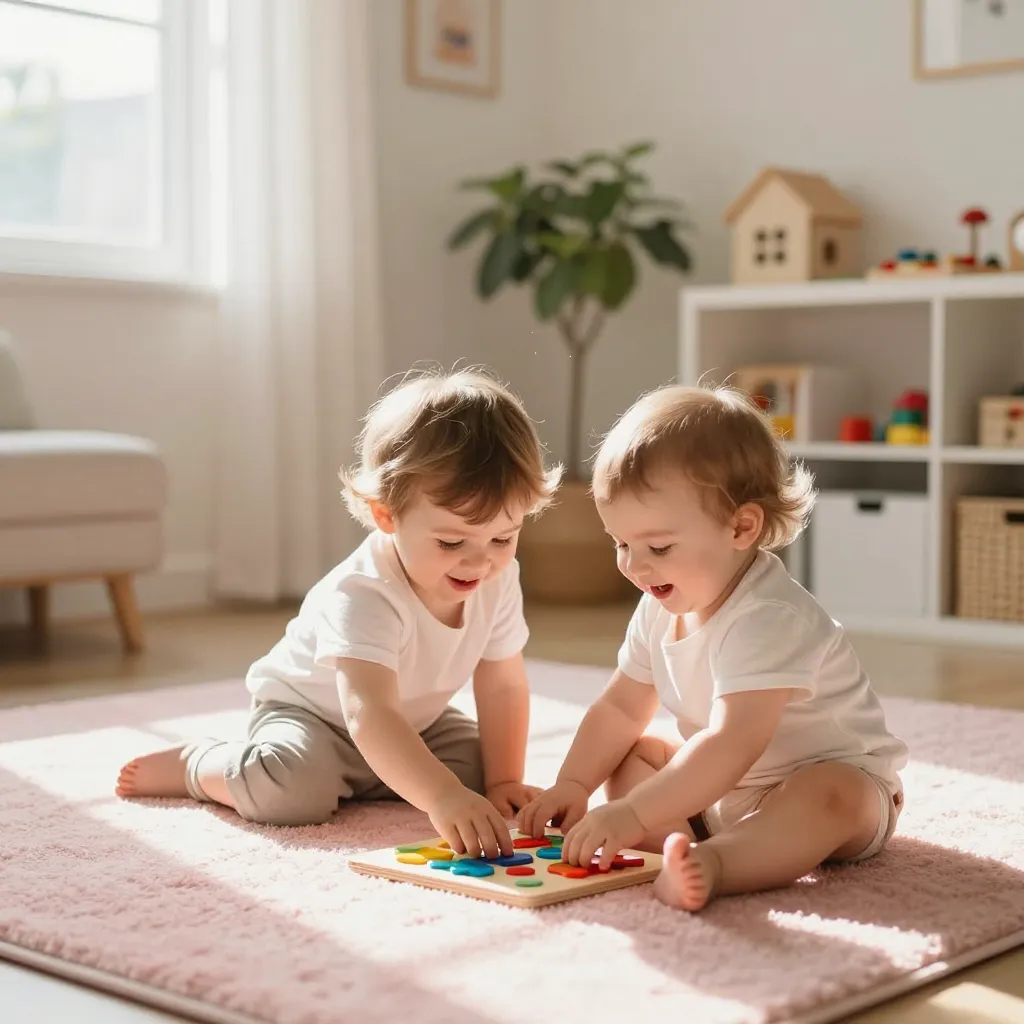
Toddler Sibling Rivalry: Proven Tricks to Keep the Peace Daily
Learn why toddlers erupt when a newborn arrives and how to model sharing, set gentle boundaries, praise equally, and use play to build lifelong sibling bonds—perfect for parents navigating the 1- to 3-year-old storm.
Navigating Toddler Sibling Rivalry: Building Harmony as Family Grows
Welcoming a second child into your home brings immeasurable joy—but it can also unravel even the most peaceful family dynamic. For many parents, the sudden shift in attention and territory sparks unexpected challenges, as toddlers grapple with emotional upheaval and competing needs. Understanding the roots of sibling rivalry and adopting proactive strategies can help foster empathy, cooperation, and sibling bonds that last a lifetime.
Why Sibling Rivalry Emerges
The arrival of a newborn often marks the first crack in a toddler’s sense of security. Their world suddenly expands, with shared space, divided attention, and unfamiliar routines. Key factors driving rivalry include:
Identity Shifts: Toddlers (ages 1–3) thrive on autonomy and milestones. A younger sibling’s arrival can make them feel “demoted” or overshadowed, especially if they’re unused to sharing their parent’s focus.
Developmental Milestones: Children under 3 are still mastering social skills like turn-taking and perspective-taking. Concepts like “sharing” or “fairness” may confuse them, leading to frustration when their baby sibling interacts with their toys or space.
Territorial Instincts: From a toddler’s perspective, their belongings (crib, books, even their plate) are theirs alone. A new resident’s disregard for these boundaries can deepen feelings of resentment.
As developmental psychologist Dr. Emily Carter notes, “Parents often underestimate how profoundly jealousy manifests in this age group. It’s not defiance—it’s a cry for reassurance.”
Practical Approaches to Ease Tensions
Lead by Example: Demonstrating Generosity
Children learn through observation. Model cooperation by dividing your attention evenly between siblings, offering joint activities (e.g., coloring together on a single poster), or using phrases like, “Now it’s Max’s turn” when directing attention. Small gestures, like sharing your sandwich halves or stretching for a seat on crowded public transit, reinforce the value of giving.
Defend Boundaries, Gently Enforce Sharing
While toddlers benefit from owning certain items (a “special box” for toys only they use), insist on turn-taking for shared resources like the couch or a favorite stuffed animal. Use a visual timer to clearly signal transitions: “When the clock buzzes twice, it’s time to return this to Elena.” Pairing structure with patience helps children internalize fairness.
Celebrate Both Achievements Equally
Acknowledge your older child’s efforts with specific praise: “You were so gentle when you held Lily’s hand today!” This counters the “favoritism” narrative and builds confidence. Rotate traditions to spotlight each child’s milestones—like a dance party for the toddler’s birthday or a “baby sibling graduate ceremony” for the newborn.
Encourage Problem-Solving, Step Back
When conflicts arise (e.g., toy disputes), resist the urge to mediate immediately. Ask your toddler, “How can we solve this?” If they flounder, suggest options: “Could Leo use a different Lego set while Ava plays with his?” This nurtures critical thinking while teaching negotiation.
Validate Emotions, Set Clear Limits
Phrases like, “I understand you feel upset—it’s okay to be angry,” help toddlers process complex feelings. However, redirect destructive behaviors calmly but firmly: “Hitting is not okay. Let’s hold this pillow instead.” Consistency in consequences (e.g., time-outs for physical aggression) teaches accountability without harshness.
Fostering Connection Through Play
Shared playtime can soften rivalry. Activities like “helping” the baby (e.g., handing a toy) build teamwork, while collaborative games—Snap, Simon Says, or building an “all-family tower”—emphasize unity. Reading books about sibling dynamics (e.g., “The New Baby” by Mercer Mayer) also normalizes mixed emotions.
Embracing Change, One Interaction at a Time
Adjusting to a growing family requires patience. Some days will feel chaotic; others will reveal sweet, unspoken bonds between siblings. By nurturing your older child’s sense of importance and modeling compassion, you create a foundation for lifelong closeness. Remember, rivalry isn’t just temporary—it’s a teachable moment to cultivate empathy in its most tender form.
For more guidance on fostering healthy sibling relationships, explore our resources on child development strategies.