Using Children's TV to Ease Toddler Drop-Off Anxiety
Explore toddler TV episodes that model positive drop-off scenarios to ease separation anxiety. These shows help children understand and express their feelings, making transitions smoother. A guide for parents seeking practical strategies for daycare and preschool challenges.
Using Children's TV to Ease Toddler Drop-Off Anxiety
Drop-off time at daycare or preschool is a daily hurdle for many families. Even toddlers who typically adapt well can suddenly become distraught, clinging to caregivers with tears and fears. This common challenge is rooted in developmental stages, but gentle strategies—including the thoughtful use of children's television—can help both you and your child navigate these transitions with greater ease.
Understanding Separation Anxiety in Toddlers
Between 10 and 18 months, many children experience a peak in separation anxiety. At this age, toddlers recognize that caregivers can leave but don't yet fully grasp the concept of return, leading to uncertainty and distress. This phase is a normal part of development and typically diminishes by age 3 with consistent, reassuring routines. The key is to provide predictability and emotional validation, helping your child build security in new environments.
How TV Shows Can Help
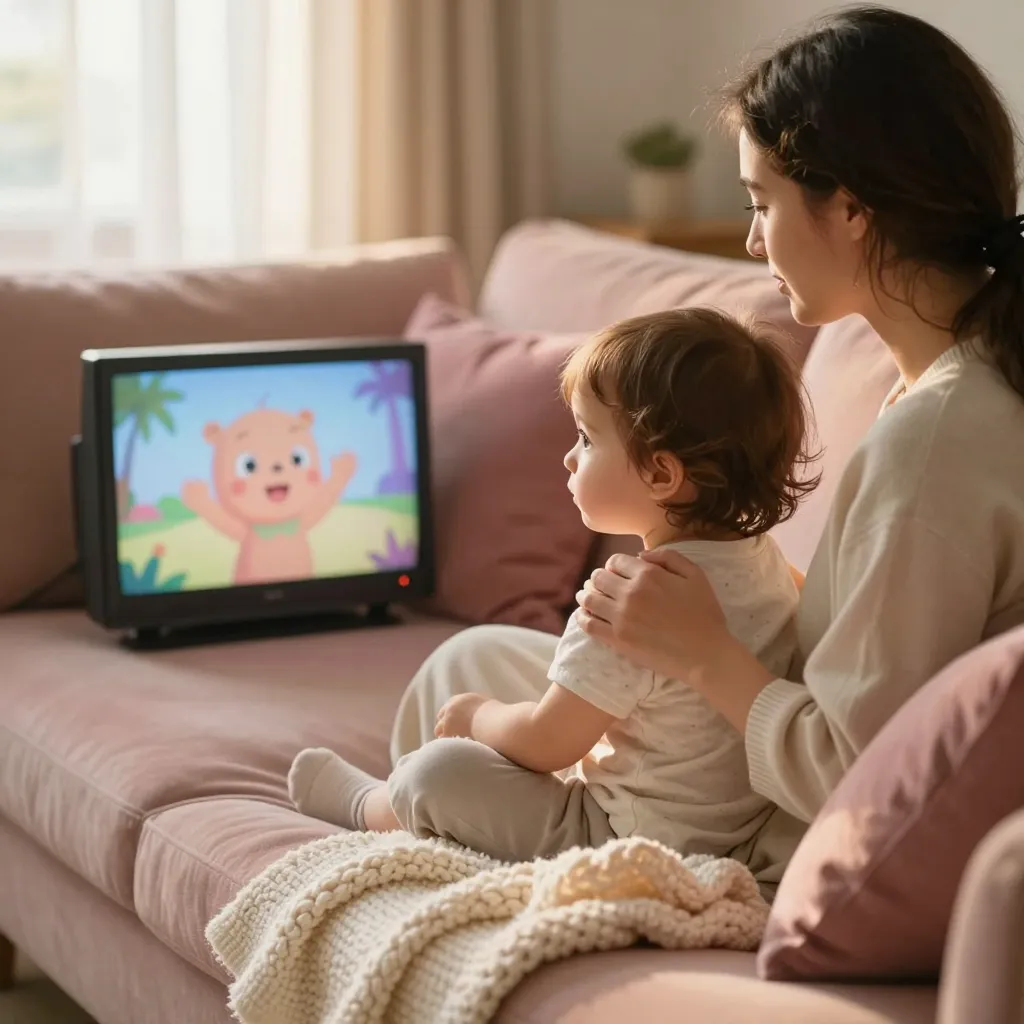
Children's media often excels at modeling social and emotional skills through repetition, simple narratives, and clear emotional expression. Episodes that depict drop-off scenarios allow toddlers to observe and process these experiences vicariously. By seeing characters face similar feelings and find solutions, children learn what to expect and develop language for their own emotions. This exposure can reduce the novelty and fear associated with real-life separations.
Episodes That Model Positive Transitions
Several children's shows feature storylines that directly address drop-off or school starts. These episodes use age-appropriate storytelling to normalize feelings and demonstrate coping strategies. Below are examples that align with early childhood development principles, focusing on themes like reassurance, routines, and emotional validation.
Daniel Tiger's Neighborhood: "Daniel Goes to School"
Daniel worries when his dad leaves him at school, but learns the mantra "Grownups come back." This repetition offers concrete reassurance, helping children internalize that separations are temporary. The episode also encourages discussions about who will care for them during the day.Bluey: "Daddy Dropoff"
Bingo struggles with drop-off until her dad incorporates a playful ritual—"Wind Up Bingo"—into their goodbye. This highlights how small, consistent routines can empower children and transform anxiety into excitement, giving them a sense of control.Peppa Pig: "The Playgroup"
Peppa feels nervous about her baby brother joining her playgroup, reflecting common fears about change and sharing attention. The episode shows how initial worries can evolve into positive experiences, helping siblings navigate adjustments together.Ms. Rachel's Songs for Littles: School Preparation Segments
Ms. Rachel emphasizes "big feelings" and suggests bringing a family photo for comfort. This validates all emotions—excitement, nervousness, or sadness—and promotes open conversations about what children might feel during drop-off.The Berenstain Bears: "First Day of Kindergarten"
Sister Bear fears her teacher won't like her, but her family gently challenges these worries while sharing fun aspects of school. The story models how parents can balance empathy with encouragement, teaching that nervousness doesn't prevent trying new things.Arthur: "Arthur's First Day"
Arthur deals with not being in the same class as his friend, while his sister faces kindergarten mishaps. The episode addresses social uncertainties and mistakes, illustrating that challenges are normal and can lead to growth, fostering resilience and empathy.Franklin: "Franklin Goes to School"
Franklin experiences physical anxiety symptoms like a tummy ache before school. His teacher reassures him that it's okay not to know everything, framing school as a learning environment rather than a test. This helps perfectionistic or anxious children reframe their expectations.
Integrating These Insights into Daily Life
While TV episodes can introduce concepts, they work best alongside real-world practices:
- Establish a brief, predictable goodbye ritual, such as a special hug, song, or high-five.
- Use a transition object, like a family photo or small comfort item, to provide tangible reassurance.
- Keep goodbyes calm and consistent. Prolonged or hesitant departures can increase anxiety, so aim for a confident, loving exit.
Nurturing a Supportive Mindset
Your emotional state significantly impacts your child's adjustment. If you feel anxious or rushed, your toddler may absorb that tension. Try to center yourself before drop-off, reminding yourself that this phase is temporary and progress often happens in small steps. Focus on the long-term goal of building your child's confidence and independence.
Remember, every child adapts at their own pace. By combining empathy, routine, and tools like these thoughtful shows, you can help your toddler feel safer and more secure, turning drop-off from a struggle into a manageable part of the day. With patience and consistency, you'll both get through this—and emerge stronger on the other side.