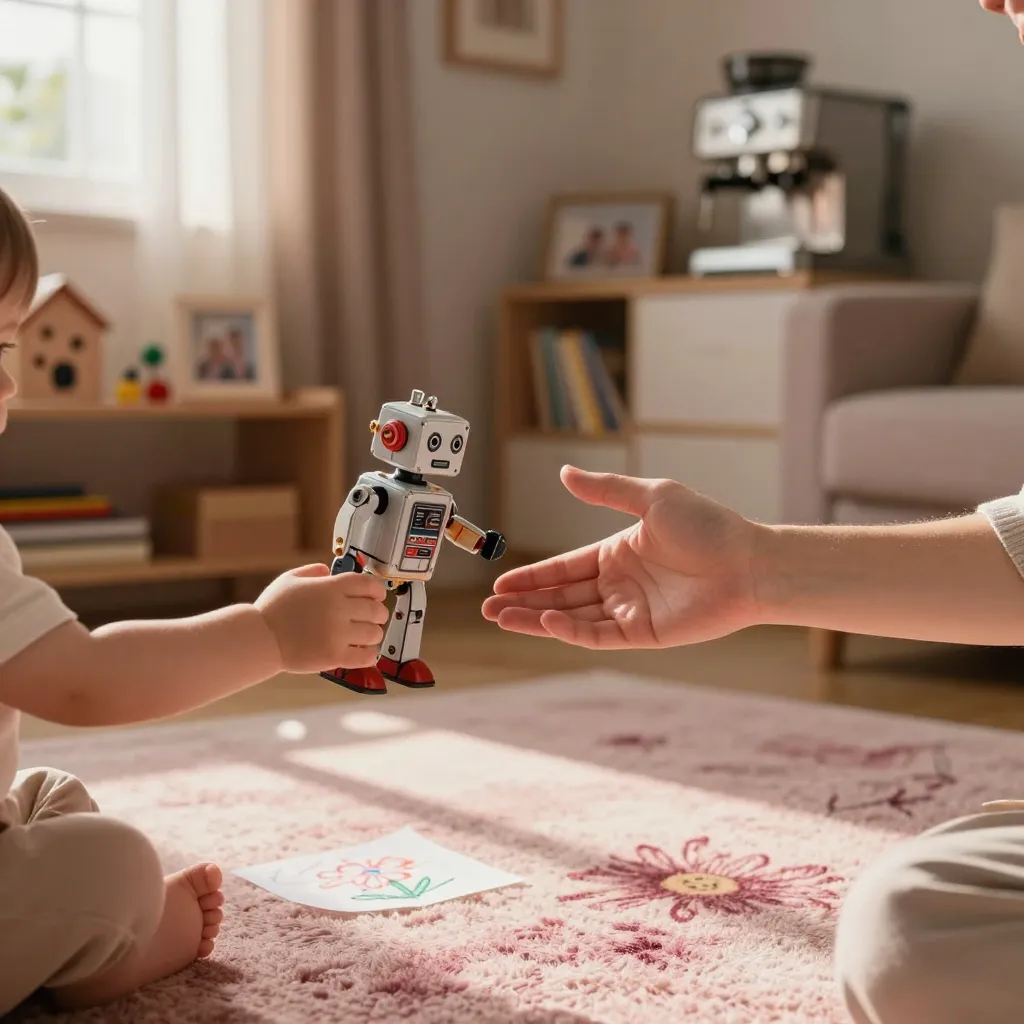
Gentle Strategies to Handle Your Toddler's Lies and Build Honesty Early
When your toddler denies spilling juice, it's often curiosity, not deceit. Learn why kids lie—wanting to please, avoid trouble, or mix fantasy—and discover gentle tactics like focusing on solutions, praising honesty, and modeling truth to build trustworthy habits early.
Understanding Why Your Toddler Fibs (and How to Encourage Honesty)
It is a classic parenting milestone: you walk into the room to find a trail of cookie crumbs leading directly to your three-year-old, who look you right in the eye and says, "I didn't eat it! A dinosaur came in and took it."
While your first instinct might be worry—or even a little frustration—rest assured that this "truth-twisting" is a normal part of child development. Most children begin experimenting with fibs around age three. At this stage, lying isn't about a lack of character; it’s a sign that your child’s cognitive and social skills are growing.
Why Toddlers Stretch the Truth
Before you can address the behavior, it helps to understand the "why" behind it. Toddlers usually aren't trying to be manipulative; they are simply navigating a world that is still a bit blurry between what is real and what is imagined.
- A Desire to Please: Your toddler loves you and wants you to be happy with them. If they realize they’ve done something that might disappoint you, they may try to "undo" the event by denying it happened. In their mind, saying "no" makes the mistake disappear.
- Avoiding Consequences: Just like adults, toddlers aren't fans of being in trouble. If they think a lie will help them avoid a "time-out" or having to clean up a mess, they might take the risk.
- Mixing Fantasy with Reality: To a toddler, the line between what they want and what actually happened is thin. If they wish they had a blue truck like their friend, they might tell you they do have one. This is less of a lie and more of a "wishful thought" spoken out loud.
- Developing Memory: Sometimes, they genuinely don't remember. A toddler’s focus is very much in the "now." If they threw a toy ten minutes ago, that event might already be hazy in their rapidly growing brain.
Gentle Strategies to Handle Dishonesty
When you catch your little one in a fib, the goal is to guide them back to the truth without making them feel ashamed or fearful.
1. Skip the "Trap" Questions
If you see the crayon marks on the wall and you know exactly who put them there, avoid asking, "Did you do this?" This sets your child up to fail by giving them an easy "no." Instead, state the facts: "I see there is crayon on the wall. Let’s get a sponge so we can clean it up together."
2. Keep Your Cool
A big, angry reaction can make a child more likely to lie in the future to avoid that scary energy. If you stay calm, you create a safe space where they feel they can admit to mistakes without the world ending.
3. Focus on the "Fix"
Instead of punishing the lie itself, focus on the original action. Use natural consequences. If they lied about spilling juice, the consequence is helping wipe it up. This teaches them that mistakes happen and can be fixed, reducing the need to hide them later.
4. Praise the "Fess Up"
When your child actually admits to a mistake, make a big deal out of their honesty. Say, "I am so proud of you for telling me the truth. It makes me feel so happy when we can trust each other." This reinforces that being honest feels better than hiding the truth.
Building a Foundation of Honesty
You can encourage a more truthful household by making honesty a family value rather than just a rule.
- Be a Role Model: Toddlers are little sponges. If they hear you telling "white lies" on the phone to avoid an invitation, they learn that lying is a social tool. Try to be as transparent as possible in your own daily life.
- Talk About Trust: Explain trust in simple terms. You might say, "When we tell the truth, it’s like building a bridge between us. It helps me know I can always believe what you say."
- Show You Trust Them: Give them opportunities to be "good." Tell them, "I’m going to leave these strawberries on the table while I go get a napkin. I trust you to wait until I get back." Giving them a positive reputation to live up to can be a powerful motivator.
A Note on Developmental Milestones: Around age three, children are developing "Theory of Mind"—the understanding that you might not know what they are thinking. While it leads to lying, it’s actually a sign of sophisticated brain development!
By staying supportive and keeping the focus on problem-solving rather than blame, you’ll help your child outgrow this stage and develop a strong, honest moral compass.