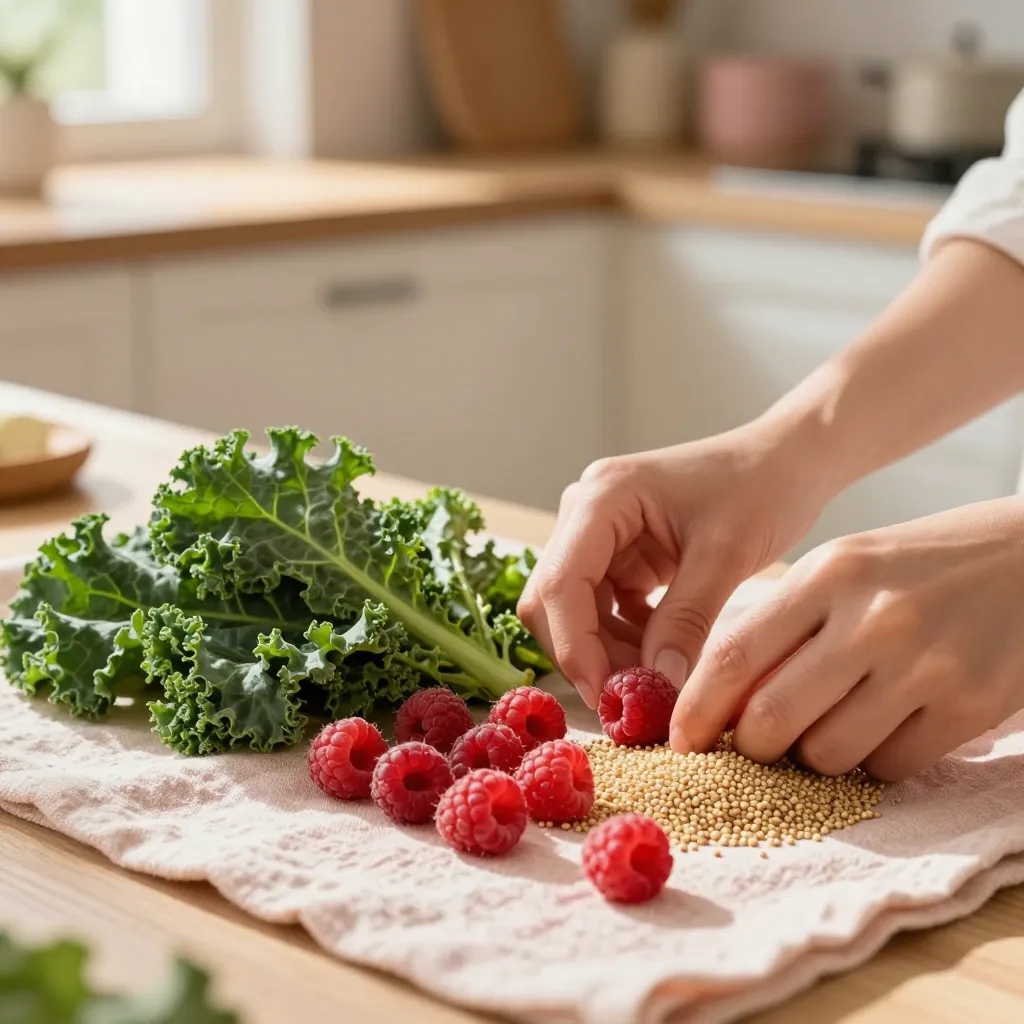
Gluten-Free Pregnancy Diet: What to Eat & Avoid Safely
This guide helps pregnant women navigate gluten-free eating for optimal health. Learn essential nutrients and safe foods to avoid risks for you and baby. Ideal for managing celiac disease, allergies, or choosing to avoid gluten.
Gluten-Free Pregnancy: How to Keep You and Baby Well-Nourished
A positive pregnancy test can instantly change the way you look at food.
If you already live gluten-free because of celiac disease, a wheat allergy, or dermatitis herpetiformis, you may wonder whether your current diet will still cover the extra folate, iron, and calories your midwife keeps talking about.
If you have no medical reason to drop gluten, you might be tempted to cut it out anyway, "just in case."
Below is a calm, evidence-based road map that answers the questions most moms-to-be ask once gluten enters the conversation.
1. Is a gluten-free pregnancy automatically "healthier"?
- Medical need: For women with celiac disease, wheat allergy, or dermatitis herpetiformis, a strict gluten-free diet is non-negotiable. Continuing to eat gluten raises the risk of miscarriage, pre-term birth, low birth-weight, and maternal anemia.
- No medical need: Randomized trials have not shown any bonus benefit to mother or baby when gluten is removed solely as a lifestyle choice. Gluten itself does not cross the placenta and has not been proven to trigger pediatric celiac disease later on.
- Trade-offs: Whole-wheat products supply folic acid, iron, zinc, and fiber. Removing them without replacing the nutrients can quietly widen shortfalls that are already common in pregnancy.
Bottom line: Only avoid gluten if your clinician has told you to; otherwise keep whole grains in the rotation.
2. Can pregnancy turn you gluten-intolerant?
Hormones and immune shifts can unmask celiac disease that was sitting quietly. If the following symptoms last more than two weeks, ask your provider to run a simple blood test (you must still be eating gluten for an accurate result):
- Frequent diarrhea or constipation
- Bloating or cramping that feels different from "normal" morning sickness
- Sudden fatigue or iron-deficiency anemia
- Mouth ulcers, skin rashes, or joint pain
Do not self-experiment with a gluten-free trial until testing is complete; you could invalidate the results.
3. Key nutrients you still need—without the gluten
If you truly must eliminate gluten, build your daily menu around these whole-food sources so nothing essential goes missing.
Folate (goal 600 µg total food + vitamin)
- Lentils, black beans, chickpeas
- Asparagus, spinach, romaine
- Avocado, orange juice, sunflower seeds
- Fortified gluten-free breakfast cereal (check label)
Iron (goal 27 mg)
- Beef, bison, lamb, dark-meat chicken or turkey
- Oysters, clams, sardines
- Lentils, kidney beans, soybeans
- Pumpkin seeds, quinoa, amaranth
- Cast-iron tip: simmer tomato-based chili or lentils in an iron skillet; the acid leaches absorbable iron into the food.
Fiber (goal 25–28 g) + fluids
- Oats labeled "certified gluten-free"
- Brown rice, wild rice, buckwheat, millet, sorghum, quinoa
- Berries, pears, apples with skin
- Chia or ground flax stirred into yogurt
Calcium (goal 1,000 mg)
- Plain yogurt, kefir, cottage cheese
- Calcium-set tofu
- Fortified almond, oat, or soy milk
- Canned salmon or sardines with soft bones
Zinc (goal 11 mg)
- Lean beef, pork loin, turkey
- Pumpkin seeds, cashews
- Lima or navy beans
Vitamin D (goal 600 IU)
- Rainbow trout, salmon
- Egg yolks
- Vitamin D-fortified milk or dairy alternatives
A standard prenatal vitamin covers most folate, iron, and vitamin D requirements, but food sources give you fiber, protein, and countless protective plant compounds that a pill cannot replicate.
4. What to skip (and the sneaky places gluten hides)
Obvious: wheat, barley, rye, spelt, kamut, farro, triticale, bulgur, couscous, seitan, regular bread, pasta, flour tortillas, beer.
Less obvious—always read labels:
- Soy sauce, teriyaki sauce, salad dressings
- Veggie burgers, deli meats, hot dogs (modified food starch)
- Bouillon cubes, gravy mixes, canned soups
- Spice blends, seasoning packets
- Malt vinegar, malted milk, some chocolate drinks
- Brown-rice syrup (can be made with barley enzymes)
- Cross-contaminated oats, rice cakes, or corn chips produced on shared lines
Look for the words "gluten-free" or a certified logo; in the United States, this claim is regulated and means the product contains <20 ppm gluten.
5. Smart use of packaged gluten-free substitutes
Gluten-free brownies, white-rice pasta, and cassava-flour bread can rescue a craving, but they are not a nutritional free pass:
- Many swap gluten for refined starches (white rice, potato, tapioca) plus extra sugar and fat to mimic taste and texture.
- Result: higher glycemic load, lower protein, fewer B-vitamins.
Aim for the 80/20 approach: 80 % naturally gluten-free whole foods, 20 % packaged treats. When you do buy substitutes, pick versions that list whole-grain flours (brown rice, sorghum, buckwheat, teff) and at least 3 g fiber per serving.
6. Morning-sickness hacks when crackers are off the table
Nausea often loves bland carbs. Keep these gluten-free options on your night-stand or in your desk:
- Rice crackers or corn-thins spread with a little almond butter
- Plain rice-cake "sandwich" with sliced turkey or cheddar
- Microwave instant oatmeal packet (certified GF) cooked in water or milk
- Cold cooked rice pudding sprinkled with cinnamon
- Frozen mango or peach chunks—cold, sweet, easy to swallow
Ginger tea, small frequent meals, and a handful of nuts before you stand up also calm the quease without relying on gluten.
7. One-day sample meal plan (first-trimester friendly)
Breakfast
- Green smoothie: fortified OJ, half banana, handful spinach, frozen mango, scoop Greek yogurt, chia seeds
- 2 scrambled eggs with spinach and cheddar
Mid-morning
- Rice cakes + peanut butter
- Sparkling water with lime
Lunch
- Quinoa bowl: quinoa, roasted sweet potato, black beans, corn, avocado, lime-cilantro vinaigrette
- Side of kiwi (extra folate + vitamin C to boost iron absorption)
Snack
- Low-fat Greek yogurt + strawberries + pumpkin-seed granola (GF)
Dinner
- Baked salmon, steamed broccoli, side of wild rice
- Orange for dessert (calcium-enhanced variety if available)
Evening
- Trail mix: almonds, pumpkin seeds, dried cherries
8. Eating out without the worry
- Call ahead or check the online menu; restaurants increasingly label gluten-free dishes.
- Ask for plain grilled fish or meat, steamed veggies, and a naturally gluten-free starch (rice, baked potato).
- Skip sauces unless you're sure; bring a tiny travel bottle of gluten-free soy sauce or tamari if Asian cuisine is on the agenda.
- Politely remind staff you are pregnant and request separate utensils/plating to avoid cross-contact.
9. Partner with your care team
Bring a diet diary to your next prenatal visit if you have (or suspect) celiac disease. A registered dietitian can:
- Review your supplement (some prenatals contain wheat as a binder).
- Adjust iron or calcium dosage if deficiencies appear on labs.
- Monitor weight gain; gluten-free packaged foods can be calorie-dense.
Key takeaways
- Gluten-free is essential only for true medical conditions; otherwise whole grains benefit both of you.
- If you must avoid gluten, replace—not simply remove—by layering naturally gluten-free whole foods for every key nutrient.
- Read labels every time; wheat loves to hide in sauces, seasonings, and "healthy" snack bars.
- Use packaged gluten-free goodies sparingly; they fill the comfort slot, not the nutrition slot.
- Coordinate with your midwife or OB and, when possible, a dietitian to keep labs—and spirits—optimistic.
A mindful, balanced approach lets you skip the gluten without skipping the goodness, so you can focus on the fun parts: feeling those first fluttery kicks and imagining the tiny fingers that will soon wrap around yours.